
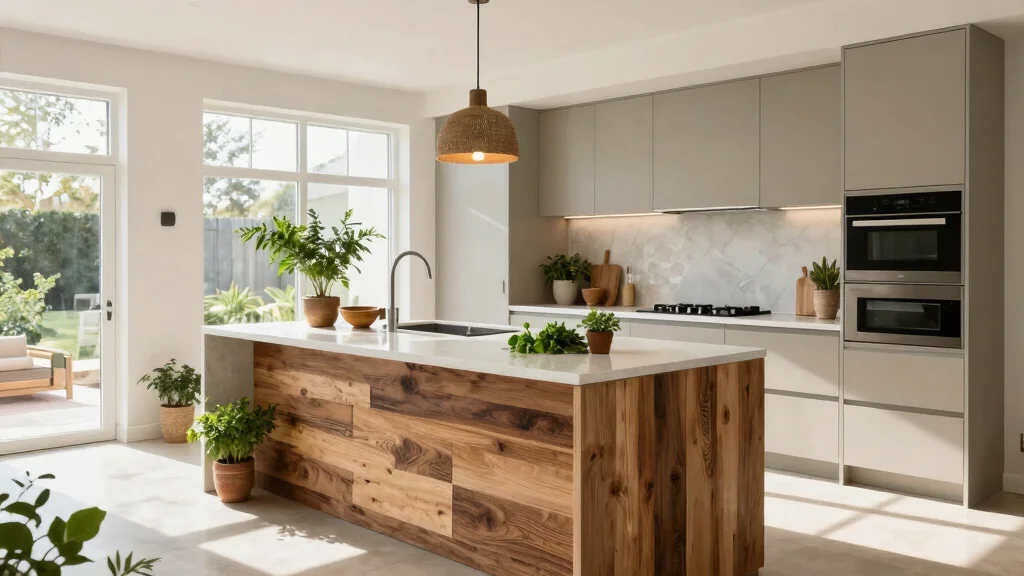


Creating a stylish and functional kitchen is a big deal, especially when you want it to reflect modern living. If you’ve been daydreaming about the perfect kitchen island, you’ve come to the right place. I put together this post because kitchen islands are more than just a place to prepare meals—they’re the heart of the home, bringing people together. With sustainability becoming a priority for many, eco-friendly design ideas for kitchen islands are a trending topic.
If you’re someone who cares about home decor and wants to make eco-conscious choices, this guide is just for you. You’ll find 20 creative kitchen island design ideas that not only elevate your space but also support a greener lifestyle. Whether you’re in the planning phase of a kitchen remodel or looking to spruce up your current setup, these ideas will inspire you to create a beautiful and functional kitchen that aligns with your values.
Get ready to explore modern kitchen islands that fit your style and needs. From reclaimed wood wonders to two-tone island designs, this list offers diverse options that cater to various tastes. You’ll discover how to incorporate natural materials, smart technology, and fun accents that will make your kitchen the ultimate gathering spot for family and friends. Let’s dive in!
Key Takeaways
– Sustainable Materials: Consider using eco-friendly materials like reclaimed wood or stone to create a kitchen island that is both stylish and kind to the planet.
– Multifunctional Designs: Look for islands that serve multiple purposes, such as additional storage, seating, or even a cooking area, to maximize your kitchen’s functionality.
– Integrating Nature: Think about incorporating indoor gardens or green elements into your design, which can enhance aesthetics and improve air quality.
– Smart Technology: Explore options that integrate smart technology, such as built-in charging stations or appliances, to bring convenience to your cooking space.
– Personal Touches: Don’t forget to add elements that reflect your personality, like unique bar stools or artistic lighting fixtures, to make your kitchen feel truly yours.
Recommended Products

Spacious Worktop & Ample Storage: This 55-inch kitchen island features a large rectangular worktop for meal prep, plus a 2-tier shelf. Keep cookware, spices, or dining essentials organized—ideal for cluttered kitchens

𝐒𝐎𝐋𝐈𝐃 𝐖𝐎𝐎𝐃 𝐒𝐓𝐑𝐔𝐂𝐓𝐔𝐑𝐄: This large island table features a thickened tabletop paired with four chunky support legs. Its reinforced solid wood frame delivers weight-bearing performance, granting structural stability to withstand frequent daily kitchen use

Large Kitchen Island with Storage: The spacious countertop offers ample space for meal preparation, meanwhile, the bottom two-tier open shelves ensure cookware, utensils and daily essentials are within convenient reach
Contents
- 1. Reclaimed Wood Wonders
- 2. Eco-Friendly Stone Surfaces
- 3. Multifunctional Islands
- 4. Minimalist Aesthetics
- 5. Natural Materials
- 6. Two-Tone Island Designs
- 7. Green Islands with Indoor Gardens
- 8. Upcycled Materials
- 9. Open Concept Integration
- 10. Smart Technology Integration
- 11. Painted Finishes
- 12. Lighting as a Feature
- 13. Textural Contrast
- 14. Artistic Accents
- 15. Sustainable Fabrics
- 16. Customizable Components
- 17. Artistic Lighting Fixtures
- 18. Statement Bar Stools
- 19. Functional Décor Elements
- 20. Personal Touches
Recommended Products

【Excellent Design】: This unique pendant lamp features translucent jade inlaid within a terrazzo shade, emitting a vibrant, multicolored glow. The stone shade paired with warm wood tones seamlessly integrates your decor with nature,bringing a natural and pure flavour to your home space

Wabi-Sabi Pendant Light: Elevate the ambiance of your space with this Akari pendant lights, handcrafted from premium stone and wood materials. Its rustic simplicity and organic textures effortlessly embody the essence of Wabi Sabi, celebrating the beauty in imperfections.

【Excellent Design】: This unique pendant lamp features translucent jade inlaid within a terrazzo shade, emitting a vibrant, multicolored glow. The stone shade paired with warm wood tones seamlessly integrates your decor with nature,bringing a natural and pure flavour to your home space
1. Reclaimed Wood Wonders
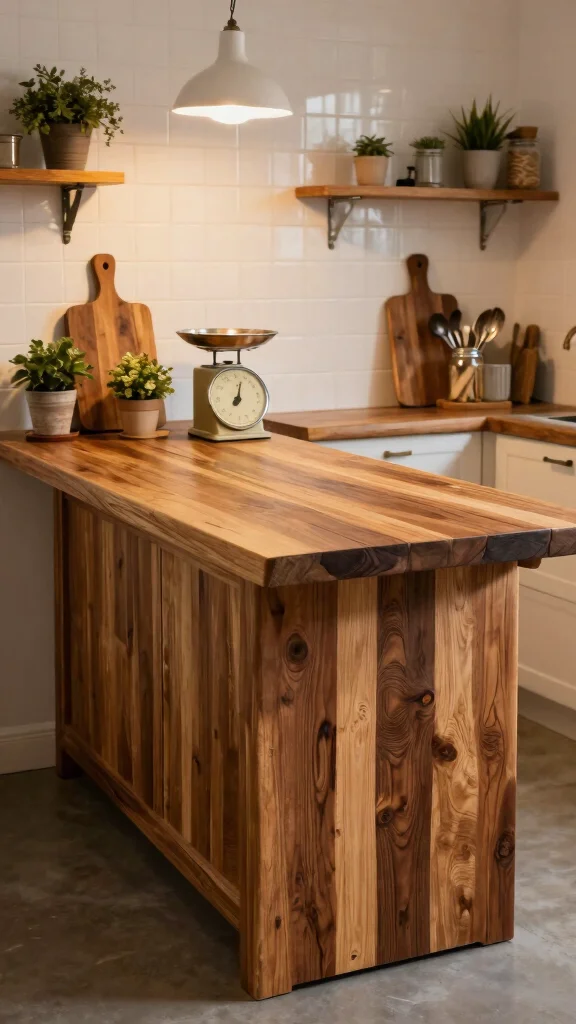
Reclaimed wood brings a touch of warmth to your kitchen island while also being environmentally friendly. This material has a rich history, with every knot and scratch telling a unique story, enriching your space with character. Imagine combining reclaimed wood with sleek stainless steel accents—this pairing creates a striking contrast that balances rustic charm with modern elegance. For added functionality, consider a butcher block surface that combines beauty with practicality.
To make the most of this beautiful material, think about sourcing locally to reduce your carbon footprint. Opt for non-toxic finishes to keep your home safe and healthy. Using various wood tones can create depth and visual interest, enhancing the overall design of your kitchen.
Tips for a Reclaimed Wood Island:
– Choose woods from local sources to minimize your carbon footprint.
– Seal with non-toxic finishes to maintain health and safety in your home.
– Use varying wood tones for a layered effect and rich visual interest.
By choosing reclaimed wood, you’re not just adding a beautiful piece to your kitchen; you’re embracing a sustainable lifestyle that feels good.
Did you know reclaimed wood can cut embodied energy by up to 70% compared with new timber? Pair it with sleek stainless steel accents for a striking rustic-modern island, and top a butcher block surface for practical daily use.
Recommended Products

【360° Swivel Extendable Countertop 】Expands from 47.2" compact size to 78.7" spacious dining surface, seats 4-5 people, space-saving design perfectly fits small kitchens and apartments.
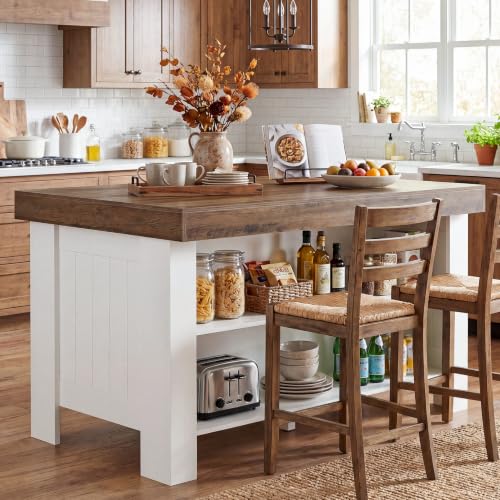
Spacious Counter Height Tabletop: The generous 55-inch surface offers plenty of room for meal prep, serving, and everyday dining. Seamlessly doubling as a breakfast bar or extra prep station, it maximizes your kitchen workspace without overcrowding your home

Flexible Mobile Dining Bar: Featuring a foldable drop leaf, this island cart effortlessly transforms into a convenient dining bar. Expand it whenever you require additional dining space, or simply fold it down to reduce its footprint and optimize room capacity.
2. Eco-Friendly Stone Surfaces
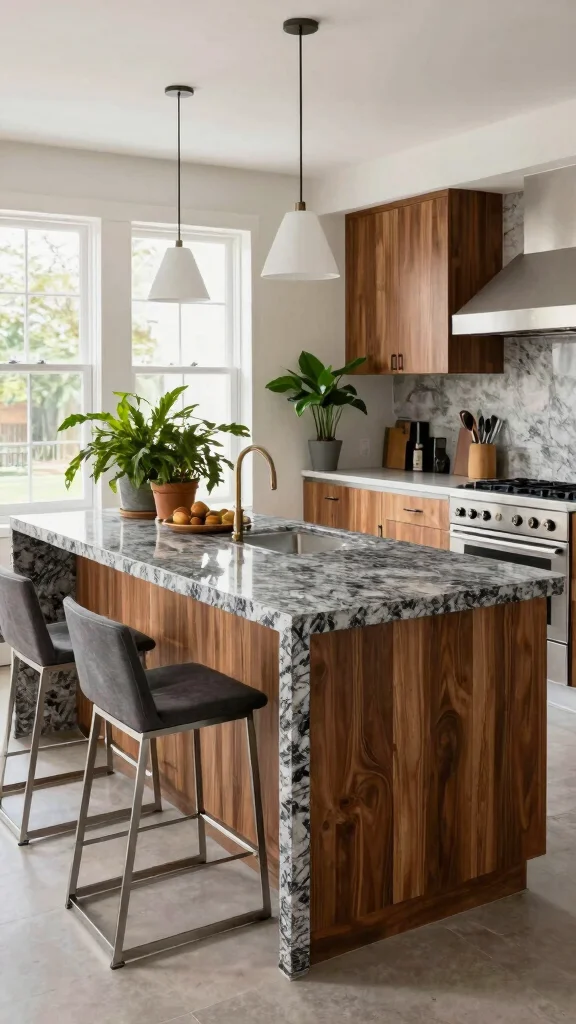
Sustainable stone materials like soapstone or recycled granite can elevate your kitchen island’s style while being environmentally responsible. These durable options offer distinct aesthetics and stand the test of time, making them perfect for busy kitchens. Soapstone, known for its soft texture, is heat-resistant and easy to maintain, while recycled granite adds elegance with its unique patterns. Combine these stones with lighter wood cabinetry for a harmonious look.
When selecting stone for your island, consider easy-care options that fit your lifestyle. Natural stones also help regulate temperatures, keeping your kitchen comfortable. Investing in eco-friendly stone surfaces can enhance your home’s value while promoting sustainability.
Benefits of Stone Islands:
– Easy to clean and maintain, making them ideal for everyday use.
– Natural stones can help regulate temperatures, keeping your kitchen cooler in summer.
– Adds value to your home with its timeless appeal.
Opting for eco-friendly stone surfaces not only beautifies your kitchen but also supports sustainable practices.
Recommended Products

【Easy To Install】Cut a 3.15 inch (80mm) hole, remove the ring and slide the countertop pop up outlet body from top, tighten up the ring. Easy to set up in your home, kitchen, office, conference room and so on.【CAUTION】Before using the outlet, please pop it up and down for more than 5 times to activate the pop up mechanism. Please use 3 or more fingers to press the middle of panel to ensure full spring pressure transmission and smooth popping.

【Easy To Install】Cut a 3.15 inch (80mm) hole, remove the ring and slide the countertop pop up outlet body from top, tighten up the ring from bottom. Easy to set up in your home, kitchen, office, conference room and so on.

Rubber Wood Top with Drop Leaf: Enjoy the flexibility of a spacious countertop that expands to 44.1" x 29.1" for meal prep or gathering. Need to save space? Simply fold it down to 44.1" x 17.3" for everyday use
3. Multifunctional Islands
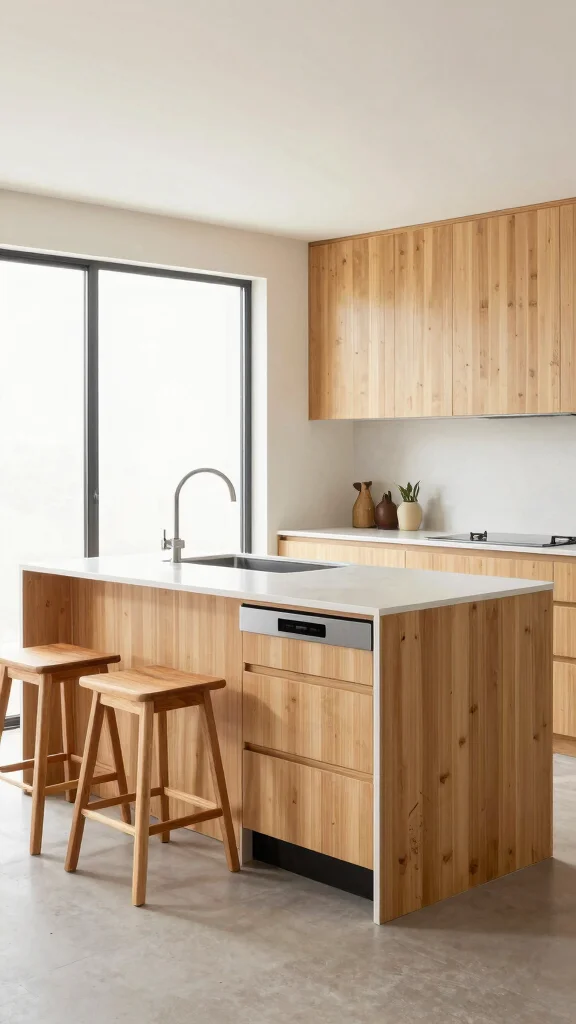
Multifunctional kitchen islands are essential in modern homes, serving as prep areas, storage solutions, and even dining spots. By designing an island that meets various needs, you maximize your space and reduce the need for additional furniture. A smart layout can enhance workflow, keeping your kitchen organized and stylish.
Think about incorporating hidden storage like pull-out drawers for utensils or a raised top to separate eating from prep areas. Using eco-friendly finishes for surfaces can maintain a sustainable approach while adding style.
How to Create a Multifunctional Island:
– Incorporate hidden storage solutions like pull-out drawers for utensils and pots.
– Consider a raised top for eating or working while keeping the prep area separate.
– Use eco-friendly finishes for surfaces and storage to maintain sustainability.
These innovative islands can truly transform your kitchen experience, making it more functional and enjoyable.
Recommended Products

Three-Layer Lighting: This kitchen pendant light innovatively positions three-layer light strips on its sides, bottom, and curves for 360° surround lighting. It offers vibrant colors for visual expression, becoming a focal point in your space.

【Clear Glass Farmhouse Pendant Light】This vintage farmhouse pendant light features matte black metal hardware paired with clear glass shade. The textured glass casts soft layered light shadows to elevate rustic, industrial and cottage home decor, delivering bright non-glaring ambient lighting perfect for kitchen sink accents and bar counter decoration. The anti-corrosion metal finish resists daily moisture and fading for long-lasting home use

【Crystal Chandelier Size】The raindrop chandelier ceiling plate has a diameter of 6 inches, with a maximum height of 59 inches. Each crystal measures 2 inches in width and 8 inches in height. The total weight of the chandelier is approximately 3 pounds.
4. Minimalist Aesthetics
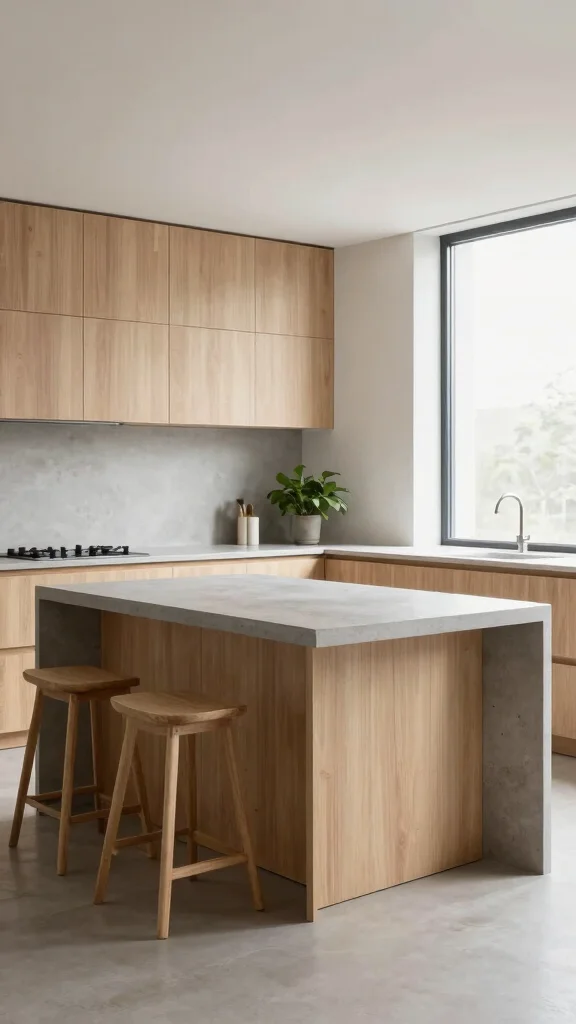
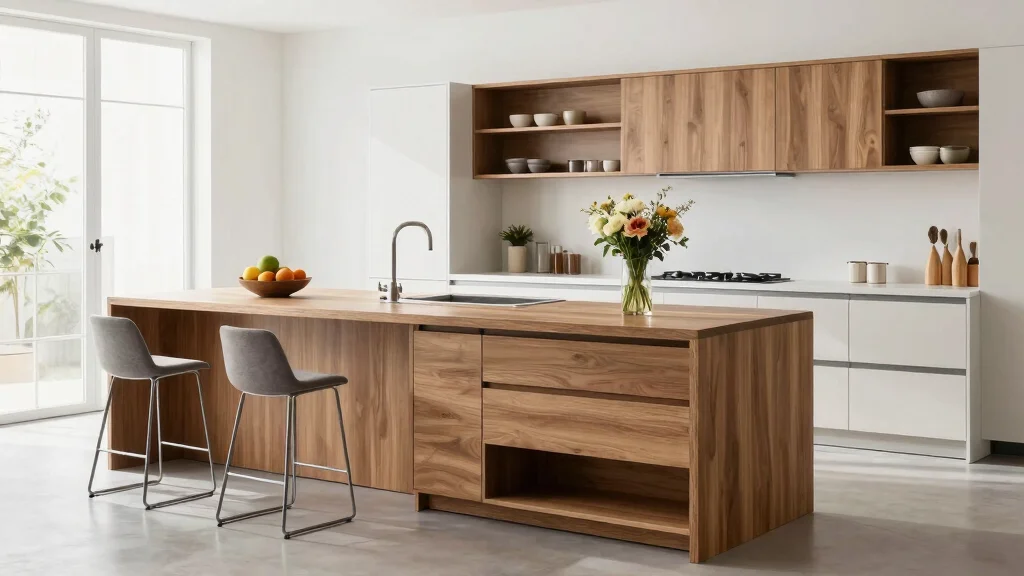
Minimalist kitchen island designs embody the principle of ‘less is more.’ With clean lines, muted colors, and uncluttered surfaces, this trend allows the beauty of your materials to shine. A simple design promotes an airy feel while reducing the need for excessive materials, making it a sustainable choice. Pair smooth concrete or light-colored stone with simple wooden cabinetry for a contemporary touch.
Embracing minimalism encourages a clutter-free workspace, ideal for cooking enthusiasts. This style highlights the quality of materials rather than overwhelming with decor, making maintenance easier.
Reasons to Embrace Minimalism:
– Encourages a clutter-free workspace, perfect for those who enjoy cooking.
– Highlights the quality of materials instead of overloading on decor.
– Simple styles are often easier to clean and maintain.
A minimalist kitchen island provides a calm focus in your home, creating a serene atmosphere.
Recommended Products

100% Solid Wood: Crafted from premium solid wood, this kitchen island features a rugged, scratch-resistant surface that supports heavy items with ease. The waterproof countertop resists stains and wipes clean, ensuring lasting beauty with minimal care

Long Lasting Resilience: Crafted from high-grade MDF, our kitchen island is built to withstand everyday use. The thick tabletop supports up to 350 lb, making it easy to hold heavier items like dishes and small appliances without sagging

𝐒𝐨𝐥𝐢𝐝 𝐖𝐨𝐨𝐝 𝐂𝐨𝐧𝐬𝐭𝐫𝐮𝐜𝐭𝐢𝐨𝐧: Made of solid wood, this kitchen island offers a more natural texture and everyday durability than many common board-based styles. The rustic brown finish brings warmth to the space while fitting easily into farmhouse and modern home settings
5. Natural Materials
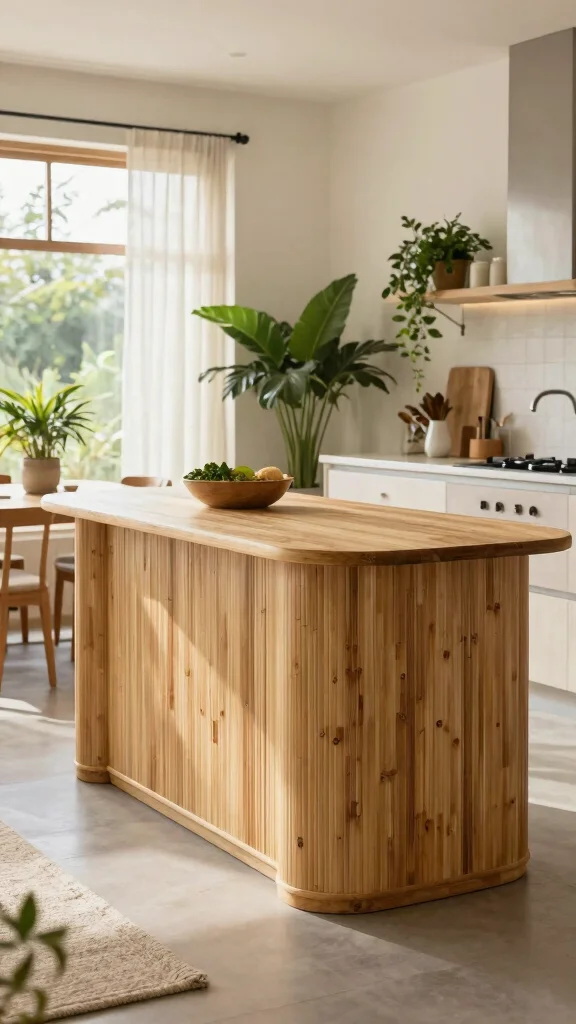
Incorporating natural materials like bamboo or cork into your kitchen island fosters a connection with nature and enhances sustainability. Bamboo is not only visually appealing but also one of the fastest-growing plants, making it a renewable resource. Pair these materials with earthy tones to create a tranquil atmosphere that feels welcoming and warm.
When choosing natural materials, look for FSC-certified products to ensure responsible sourcing. Opt for finishes that use natural oils or water-based options to avoid harmful chemicals. Mixing textures can also add depth and interest to your island’s design.
Choosing Natural Materials:
– Look for FSC-certified products to ensure sustainable sourcing.
– Opt for finishes that use natural oils or water-based options instead of harmful chemicals.
– Combine different textures to add depth and interest to the island’s design.
Using natural materials in your kitchen island can create a harmonious and inviting space that resonates with the environment.
Recommended Products

【Perfect For Most Faucets】MAGKOTA Stone faucet mat for kitchen sink available size(L x W):20 x 4",23.6 x 4" and 30 x 4", Center Hole Diameter 2.56", ensuring a precise fit around most standard faucets.★Ensure kitchen sink mat won't cover any sink buttons,dispensers or controls based on your sink size★The distance from faucet to wall must be more than 0.8 inches★ Faucet base diameter must be less than 2.56 inches★Tip: Please measure countertop space around your faucet to ensure compatibility.

【Perfect For Most Faucets】MAGKOTA Stone faucet mat for kitchen sink available size(L x W):20 x 4",23.6 x 4" and 30 x 4", Center Hole Diameter 2.56", ensuring a precise fit around most standard faucets.★Ensure kitchen sink mat won't cover any sink buttons,dispensers or controls based on your sink size★The distance from faucet to wall must be more than 0.8 inches★ Faucet base diameter must be less than 2.56 inches★Tip: Please measure countertop space around your faucet to ensure compatibility.

【Perfect For Most Faucets】MAGKOTA Stone faucet mat for kitchen sink available size(L x W):20 x 4",23.6 x 4" and 30 x 4", Center Hole Diameter 2.56", ensuring a precise fit around most standard faucets.★Ensure kitchen sink mat won't cover any sink buttons,dispensers or controls based on your sink size★The distance from faucet to wall must be more than 0.8 inches★ Faucet base diameter must be less than 2.56 inches★Tip: Please measure countertop space around your faucet to ensure compatibility.
6. Two-Tone Island Designs
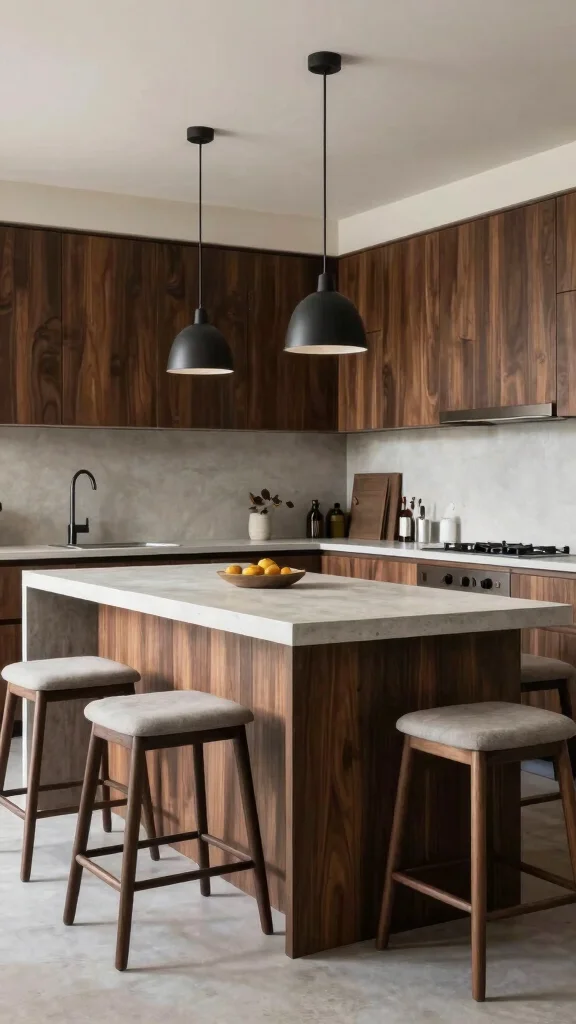
Two-tone kitchen islands offer a striking and modern aesthetic while allowing you to explore color and texture. This design approach can effectively incorporate sustainable materials without overwhelming your kitchen’s look. Consider pairing a dark-stained wood base with a lighter stone or concrete top, creating a beautiful contrast that defines different functional areas like cooking and socializing.
To maintain harmony, use complementary colors and textures throughout the space. Incorporating sustainable materials for both tones ensures an eco-friendly touch while enhancing visual appeal.
Tips for Two-Tone Islands:
– Use complementary colors to maintain harmony in your kitchen design.
– Incorporate sustainable materials for both tones for an eco-friendly twist.
– Experiment with textures to enhance the overall aesthetic.
Two-tone islands not only captivate with their beauty but also reflect your personal style while remaining practical.
Two-tone islands prove you don’t need a full remodel to refresh your kitchen. Try these kitchen island design ideas: pick a dark base, a light top, and sustainable materials you love. Your kitchen instantly feels defined, stylish, and energy-efficient—perfect for everyday cook-and-chat moments.
Recommended Products

STYLISH TWO-TONE DESIGN: This 55-inch modern kitchen island blends a sleek faux marble white countertop with a rich walnut base, creating a sophisticated centerpiece that elevates any kitchen or dining space with contemporary elegance

MEASURE BEFORE YOU BUY: 40.5" W x 27.5" D x 35.4" H This is a full-size island, not a rolling cart. It is 40.5 inches wide, 27.5 inches deep and 35.4 inches tall, and it weighs about 71 pounds assembled. Check the floor space and the walkways around it before ordering.
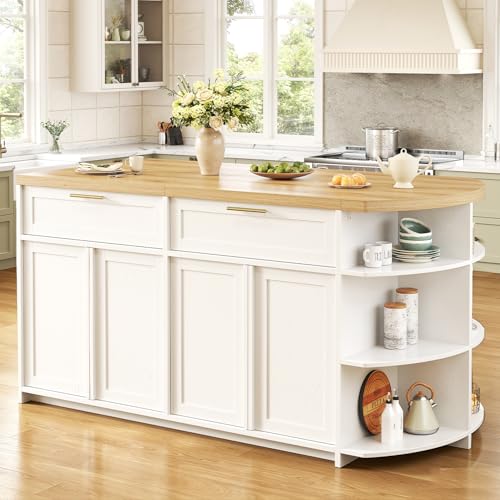
Modern & Functional Design: This kitchen island features a white oak body with an oak countertop, blending sleek modern design with practicality. The unique square and oval design provides flexibility—one side can be placed against the wall to save space, while the other side features 3-tier open shelves for easy storage of kitchen essentials. The modern cabinet doors with invisible handles create a clean and minimalistic look, elevating the style of any kitchen or dining area.
7. Green Islands with Indoor Gardens
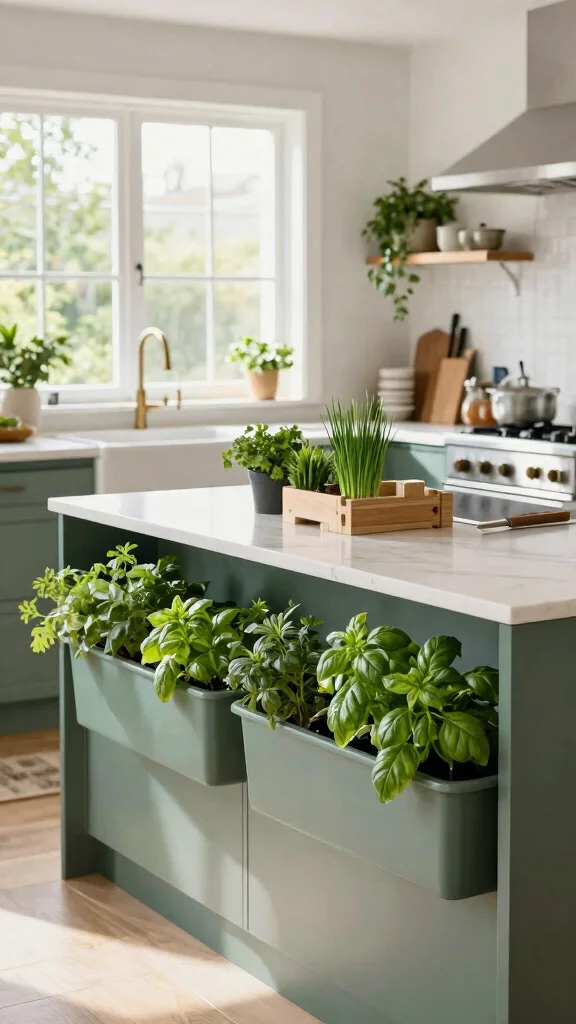
Integrating greenery into your kitchen island design can save space and promote healthier cooking. Imagine having an indoor herb garden right in your island—fresh basil, mint, and cilantro at your fingertips! These green islands not only provide visual appeal but also serve practical culinary uses.
Design your island with built-in planters or opt for hanging pots to create a vertical garden. This approach can energize your kitchen while encouraging healthier cooking habits.
How to Introduce Greenery:
– Choose easy-to-maintain herbs that thrive indoors, such as rosemary or thyme.
– Use self-watering planters to keep herbs fresh and vibrant.
– Incorporate a drip tray to catch excess water and maintain cleanliness.
Creating a green island can invigorate your kitchen space, blending beauty with functionality.
Recommended Products

【Easy Installation】Jgstkcity pop up outlet fits a 2.5-inch (60mm) hole size, and has a built-in spring-loaded pop-up mechanism, simply press in the top to pop the unit up for use. Cut a 2.5-inch (60mm) hole, slide the outlet body in, and tighten the ring. Set up easily in your home, kitchen, office, or conference room.Before Purchase Notice: Acceptable installation size: 2.5-inch opening
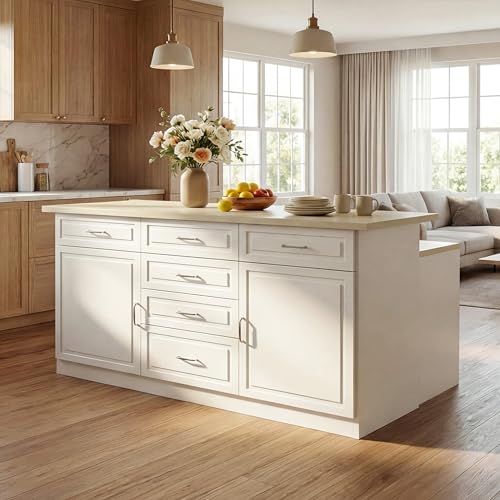
Tiered for Task - Our functional kitchen island offers dual work surfaces. A tall section with a 78.7"x23.6" counter for ample prep space, and a lower 70.9"x19.7" surface. The lower counter features sturdy iron pipe supports, ideal for storing cookware or displaying decorative items. This design maximizes both functionality and storage

Easy to Installing:Jgstkcity pop up outlet fits 3.15inch(80mm) hole size,and has a built in spring loaded pop up mechanism, simply press in the top to pop the unit up for use.
8. Upcycled Materials
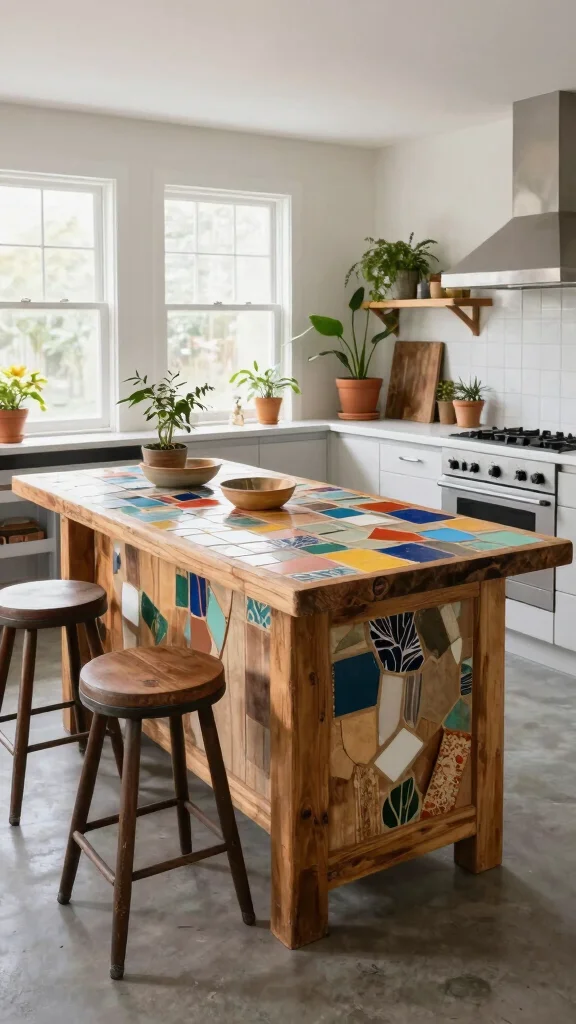
Get creative with upcycled materials to craft a truly unique kitchen island. By using old furniture, pallets, or reclaimed metal, you can create an eye-catching centerpiece while reducing waste. Each upcycled piece carries its history, adding character and charm to your design.
This trend encourages creativity and inspires you to think outside the box, resulting in a personalized kitchen island that tells a story.
Upcycling Tips:
– Look for local thrift shops or garage sales for materials that can be repurposed.
– Combine different materials for a layered and industrial look.
– Make sure to properly treat and finish materials to ensure durability and safety.
An upcycled kitchen island becomes a conversation starter, showcasing your creativity and commitment to sustainability.
Did you know upcycled kitchen island design ideas can cut waste by up to 60%? By reusing pallets, old furniture, and reclaimed metal, your island becomes a unique centerpiece with a story—practical, stylish, and sustainably chic.
Recommended Products

【Modern Bubble Crystal Chandelier Size】:4-Light Bubble Crystal Pendant Light. Lamp Body size: W2.6",H13.8". Ceiling canopy :W23.6" * H2". Height 70.8"(MAX)

Recommended use: This pendant is most suitable for kitchen islands with a length between 5-7ft. Each should be at least 6 in from the edge. The ideal height of the bottom of the lamp from the countertop is 30-36 in to provide sufficient lighting without blocking the line of sight.One set in the dining room/breakfast corner. Install it above the bedside table to replace the bedside table lamp. Provide local accent lighting on both sides of the sofa, reading corner, desk or game table to increase the sense of space

【Modern & Elegant Crystal Design】This 4-light crystal island light features premium clear crystal shades and matte black finish, combining modern minimalist style with luxury texture. The transparent crystal shades not only diffuse soft, glare-free light but also add a sophisticated, timeless aesthetic to your space, perfectly elevating the look of your kitchen, dining room, or bar area.
You might also like
How To Choose The Right Kitchen Island Design
Choosing the right kitchen island design can significantly enhance both the functionality and aesthetics of your kitchen. Here are several key factors to consider when selecting the perfect kitchen island for your modern home:
1. Size and Layout
Before diving into styles and materials, measure your kitchen space. You want enough room to move around comfortably. A good rule of thumb is to allow at least 42 to 48 inches of walking space around the island. Also, consider how the island fits with your existing layout. Does it complement an open concept kitchen design or create barriers?
2. Material Selection
Opt for materials that are both durable and sustainable. Reclaimed wood adds warmth and character to your space, while eco-friendly stone surfaces can bring a modern yet natural touch. Consider the maintenance required for each material. For example, quartz is low-maintenance, while natural wood may need regular sealing.
3. Functionality
Think about how you plan to use your kitchen island. Will it serve as a cooking area, a casual dining spot, or a storage unit? Multifunctional islands that combine cooking, prep space, and dining can be a great asset. If you cook frequently, integrate features like a prep sink or built-in stovetop.
4. Style and Design
Your kitchen island should match your overall kitchen decor. If your home features contemporary home decor, a sleek, minimalist design will work best. On the other hand, if you prefer a rustic feel, consider designs with natural materials and vintage accents. Two-tone island designs can also add a modern contrast while maintaining a cohesive look.
5. Budget Considerations
Set a realistic budget before you start shopping. Your budget will dictate the materials and features you can afford. Keep in mind that custom-built islands may cost more upfront but offer long-term value with their durability and unique design. Look for sales or eco-friendly options that fit within your price range without sacrificing quality.
Pro Tip: Visit kitchen showrooms or design centers to see full-sized models. This can help you visualize how different styles and materials will look in your space. Also, take pictures of any designs that inspire you to share with designers or contractors.
Choosing the right kitchen island design involves balancing aesthetics with functionality. By considering size, materials, functionality, style, and budget, you can create a centerpiece in your kitchen that is not only beautiful but also serves your daily needs efficiently.
9. Open Concept Integration
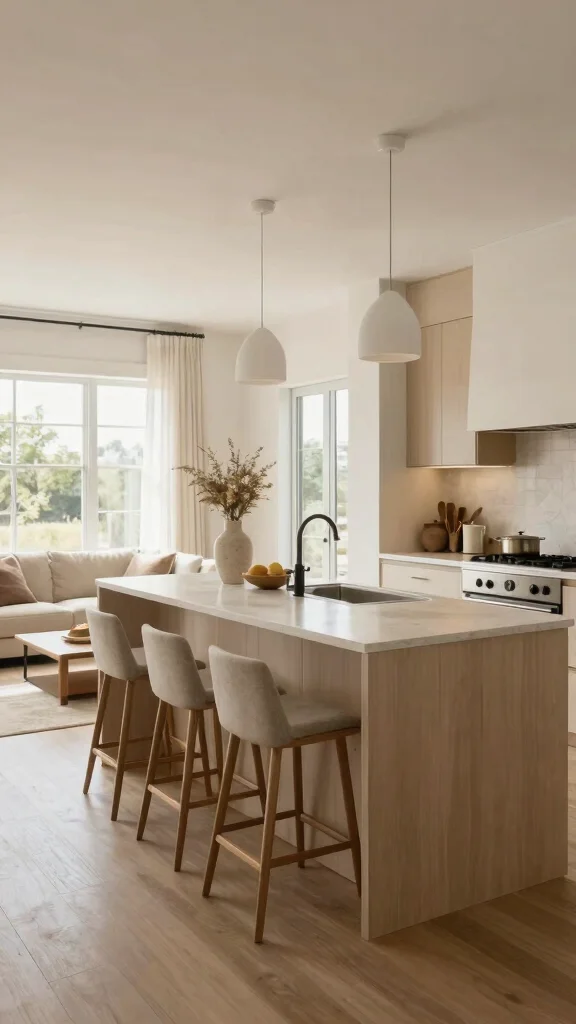
In open concept kitchens, the island is key to integrating various spaces seamlessly. Designing your island to match or complement your living area creates a cohesive flow throughout your home. Consider extending the counter for a breakfast bar or cabinetry that echoes your living room decor, maximizing functionality and style.
Utilize similar color palettes and materials found in your living area to create harmony. Multi-level surfaces can serve different functions, while open shelving enhances the spacious feel.
Integration Ideas:
– Use similar color palettes and materials found in your living area.
– Create multi-level surfaces for different functions, like a raised bar for casual dining.
– Focus on open shelving to enhance the spacious feel.
A well-designed island fosters harmony in open concept layouts, allowing both areas to shine beautifully.
10. Smart Technology Integration
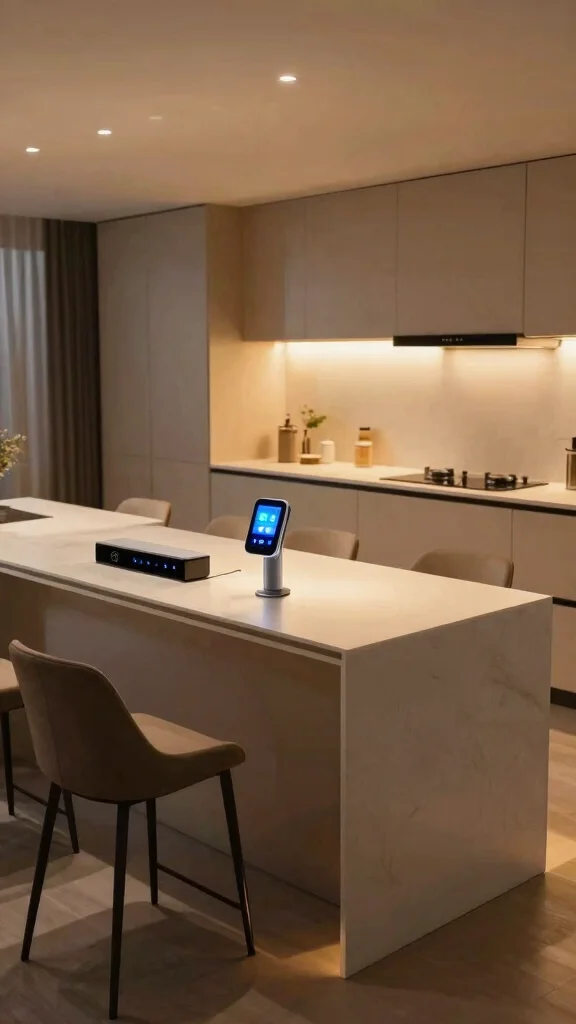
Integrating smart technology into your kitchen island can boost functionality and convenience. Imagine having built-in charging stations, touch-sensitive controls for lighting, or smart speakers embedded into your island. These features streamline your cooking experience and help keep your kitchen organized.
Smart islands are particularly beneficial for those who frequently entertain, making meal prep and organization easier than ever.
Integrating Technology:
– Plan out electrical outlets to accommodate all your appliances.
– Consider built-in screens for recipe displays or entertaining.
– Use energy-efficient appliances that align with your sustainable goals.
A tech-savvy kitchen island not only enhances convenience but also elevates your overall kitchen experience.
11. Painted Finishes
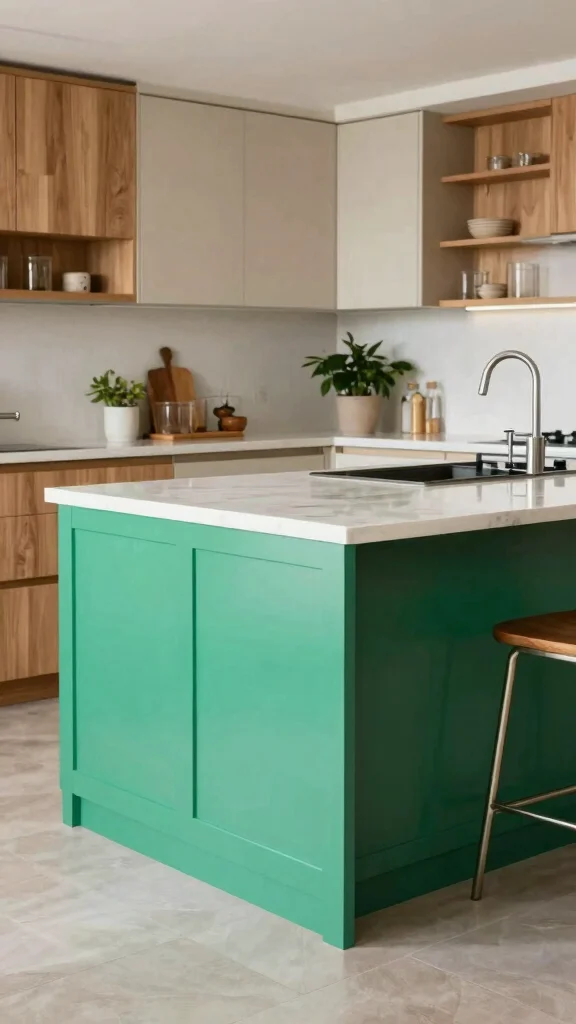
A fresh coat of paint can dramatically transform your kitchen island, allowing you to express your style while embracing sustainability. Eco-friendly paint options are widely available, bringing vibrancy to your kitchen without harming the environment. Opt for bold colors for a striking focal point or soft hues for a calming effect; mixing colors can create a delightful two-tone design.
When selecting paint, consider zero-VOC options to improve indoor air quality. Experimenting with different finishes can help you find the perfect look that suits your style.
Choosing Eco-Friendly Paint:
– Look for zero-VOC options to improve indoor air quality.
– Experiment with different finishes like matte or gloss to find what suits your style best.
– Test samples before committing to the final color to ensure it matches your decor.
Painting your kitchen island is a simple yet impactful way to refresh your space while supporting sustainable practices.
12. Lighting as a Feature
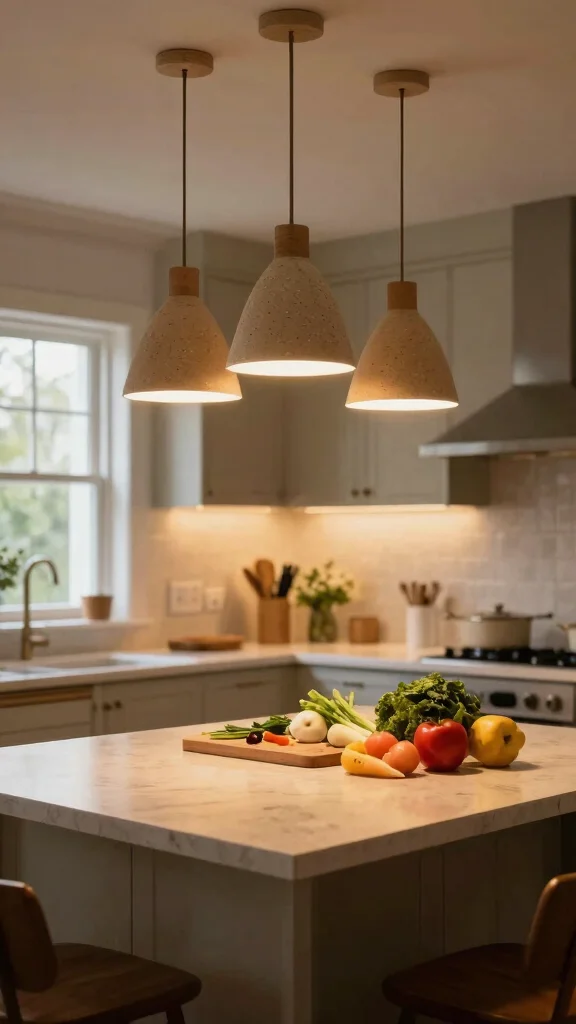
Lighting can elevate your kitchen island from ordinary to extraordinary. Using pendant lights or under-cabinet lighting enhances both style and function, providing the perfect ambiance for cooking and entertaining. Choosing eco-friendly lighting options like LED fixtures adds charm while being energy-efficient.
Experiment with different styles, from industrial to floral, to find the perfect match for your kitchen’s design.
Lighting Design Tips:
– Consider adjustable fixtures that allow you to control brightness.
– Use multiple light sources for a layered effect—both functional and aesthetic.
– Ensure your lighting fixtures are made from sustainable materials to align with your eco-friendly goals.
Thoughtful lighting solutions can transform your kitchen, making your island a stunning focal point.
13. Textural Contrast
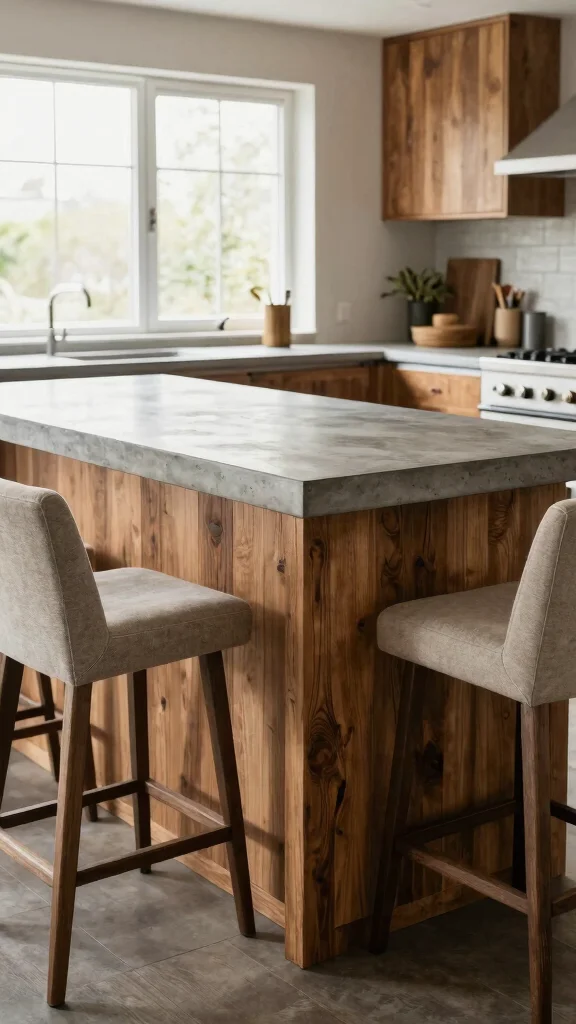
Creating a kitchen island with textural contrast can significantly enhance your space’s visual appeal. Combining smooth stone with rough wood can create a dynamic and engaging aesthetic that draws the eye. This approach not only adds interest but also provides a more tactile experience when interacting with the island.
Layering different textures can help define various functional areas, making the island more than just a surface.
Texture Tips:
– Use a variety of materials in your design, such as a concrete base with a wooden top.
– Consider fabrics like linen or cotton for nearby seating to soften the overall look.
– Ensure textures complement each other, avoiding clashing materials.
Embracing textural contrast makes your kitchen island not just functional but also a piece of art.
14. Artistic Accents
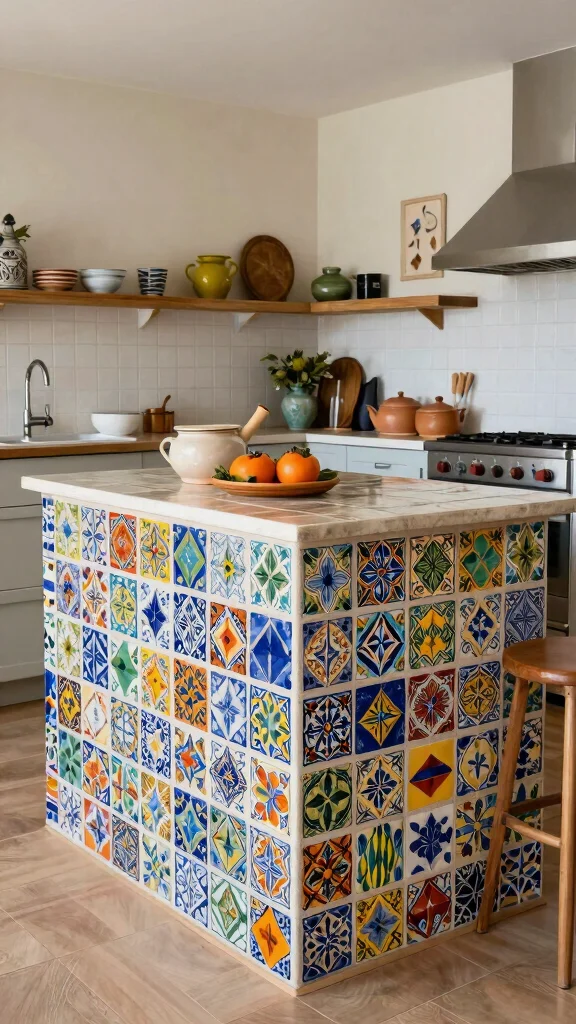
Artistic accents can turn a simple kitchen island into a statement piece. Consider incorporating unique tile patterns or colorful mosaics that reflect your personality. This approach adds a personal touch and creates a vibrant focal point in your kitchen.
Artistic elements can also serve a purpose, such as using handmade pottery or ceramics that draw attention while being functional.
Incorporating Art:
– Explore DIY projects to create custom designs tailored to your taste.
– Choose materials that are durable and easy to clean, ensuring longevity.
– Balance artistic accents with minimalism to avoid overwhelming the space.
By adding artistic elements, your kitchen island can become a canvas for self-expression and creativity.
15. Sustainable Fabrics
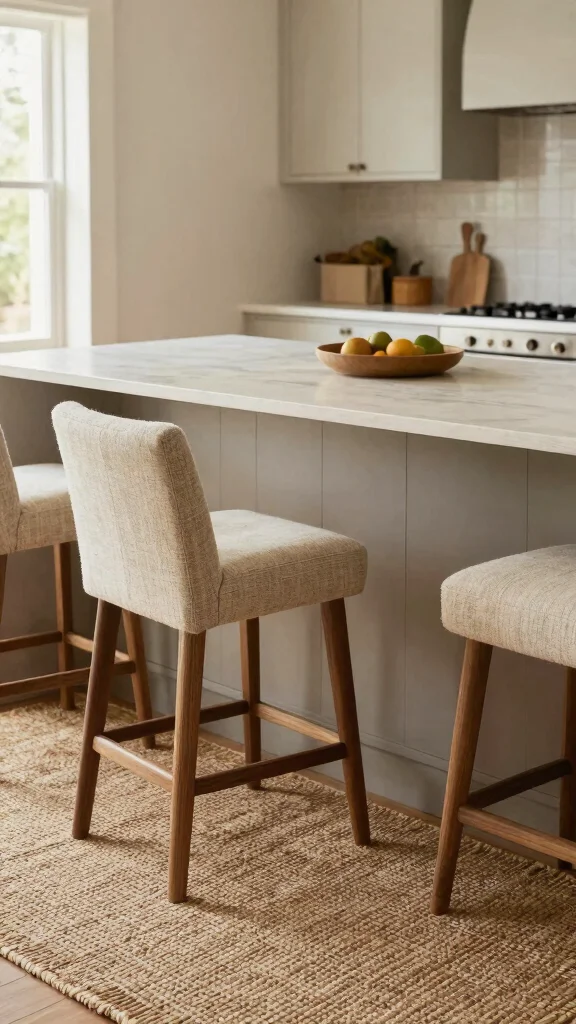
When selecting seating or accessories for your kitchen island, opt for sustainable fabrics that are stylish and eco-friendly. Materials such as organic cotton or recycled textiles can enhance comfort while being kind to the planet. This choice is especially important for barstools or cushions surrounding your island, as they contribute to both comfort and aesthetic appeal.
Look for certifications that guarantee fair trade and organic sourcing when choosing your fabrics. Consider natural dyes to avoid harmful chemicals, and maintain a cohesive color palette that blends well with your kitchen design.
Choosing Sustainable Fabrics:
– Look for certifications that ensure fair trade and organic sourcing.
– Consider natural dyes to avoid harmful chemicals in your textiles.
– Maintain a cohesive color palette that integrates well with the rest of your kitchen design.
Sustainable fabrics elevate the comfort and style of your kitchen island while promoting environmental consciousness.
You Might Also Like
16. Customizable Components
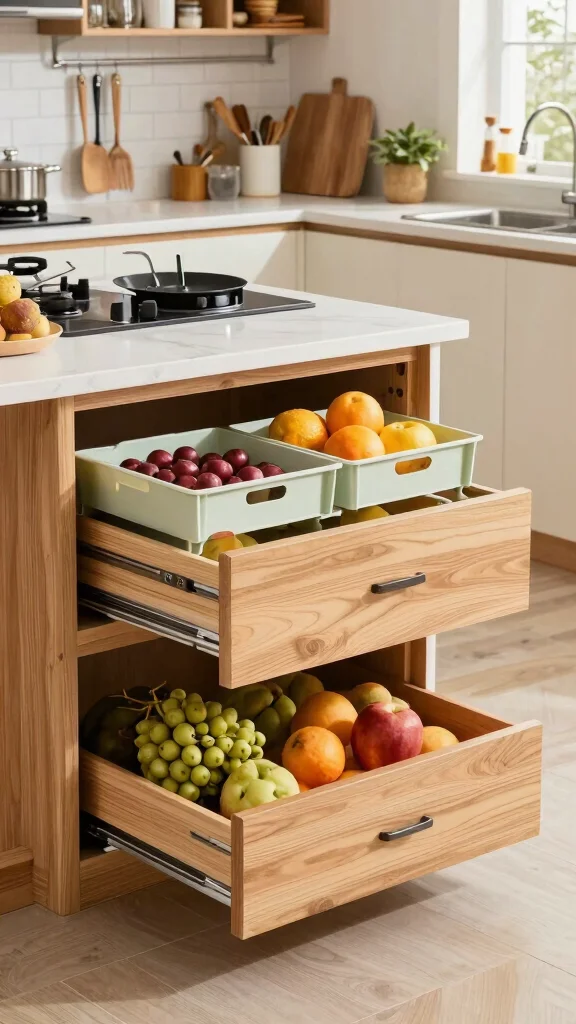
Customizing your kitchen island allows you to create a piece that fits your specific needs and style preferences. Consider adjustable shelving, pull-out cutting boards, or movable components that adapt to your cooking style. This flexibility can enhance your kitchen experience, ensuring everything you need is within reach.
Designing a modular island that can be rearranged for larger gatherings adds versatility, while hidden compartments for storage keep surfaces clutter-free.
Customization Ideas:
– Design a modular island that can be rearranged for larger gatherings.
– Incorporate hidden compartments for additional storage without cluttering the surface.
– Use eco-friendly materials that are easy to modify and maintain.
A customizable kitchen island enhances functionality while reflecting your personal style, making it a true centerpiece.
17. Artistic Lighting Fixtures
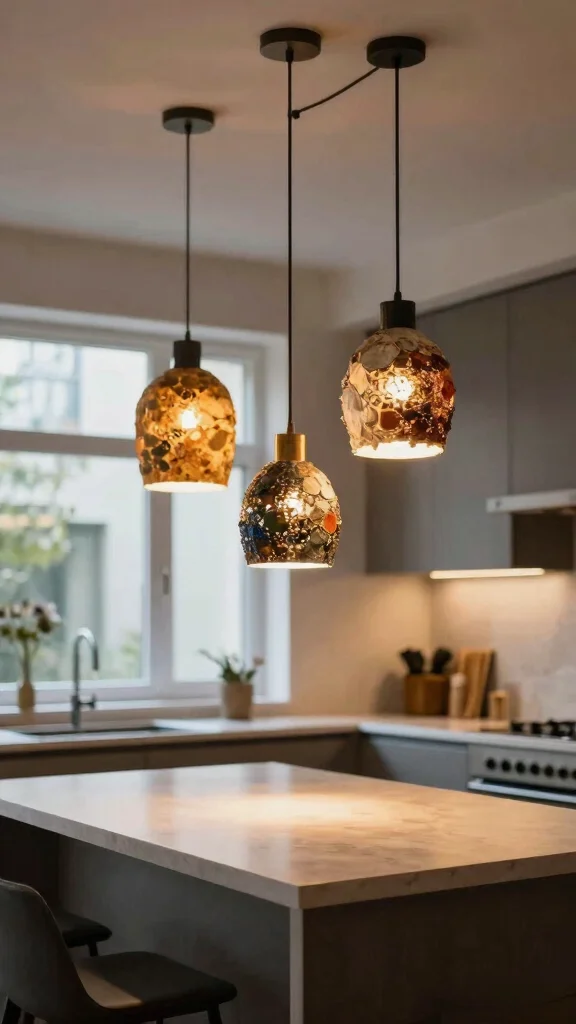
Lighting plays a crucial role in the design of your kitchen island. Artistic lighting fixtures not only provide functionality but also add an element of design flair. Pendant lights or unique chandeliers can serve as conversation starters while offering ample light for cooking and entertaining.
Selecting fixtures made from sustainable materials enhances the eco-friendly aspect of your kitchen design.
Artistic Lighting Tips:
– Look for locally made fixtures that support small businesses and reduce carbon footprints.
– Experiment with shapes and materials to find the perfect fit for your style.
– Keep energy efficiency in mind when selecting bulbs for your fixtures.
Artistic lighting elevates your kitchen island, transforming it from a functional piece into a fabulous focal point.
18. Statement Bar Stools
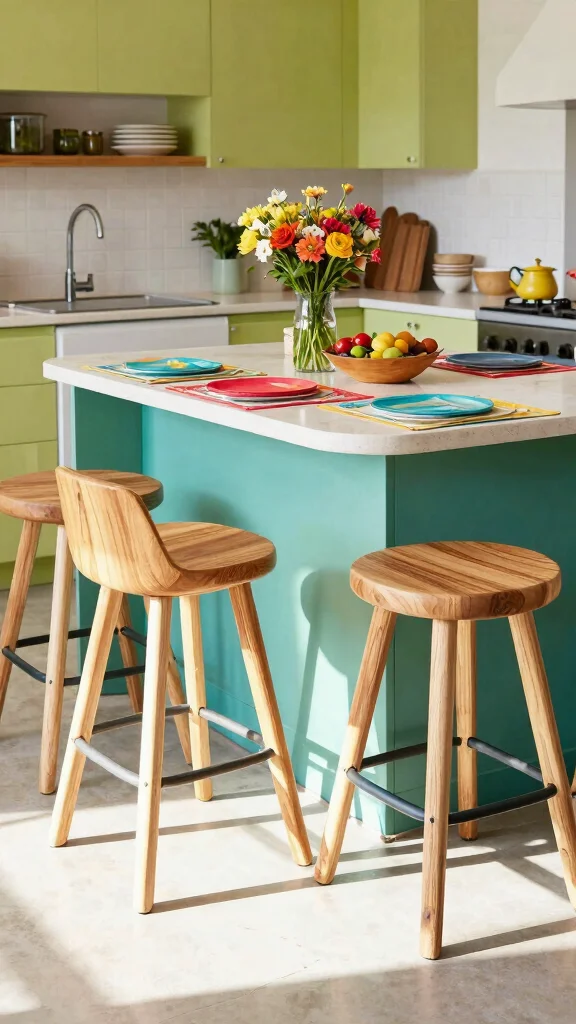
Your kitchen island deserves bar stools that make a bold statement! Choose unique designs, colors, or materials that not only complement your island but also add personality to the space. Sustainable materials like bamboo or recycled metals offer stylish and comfortable seating options.
Statement stools can introduce color and life into your kitchen, enhancing the overall aesthetic and inviting warmth.
Bar Stool Selection Tips:
– Consider ergonomic designs for comfort during long family gatherings.
– Match colors or patterns with other kitchen elements for a cohesive look.
– Explore local artisans for one-of-a-kind pieces to support sustainable practices.
Investing in statement bar stools is a fun way to showcase your style while ensuring your kitchen remains welcoming.
19. Functional Décor Elements
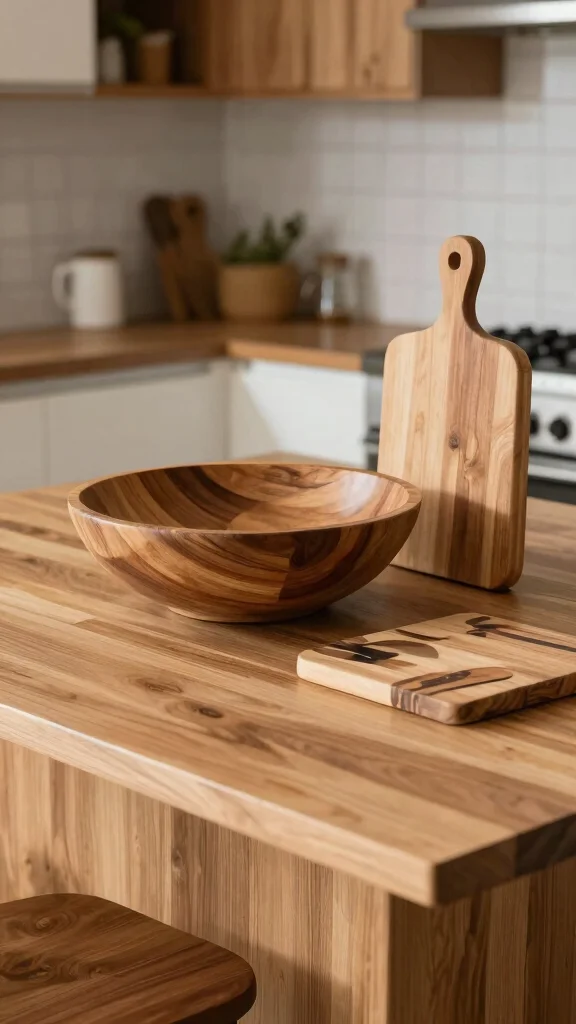
Decor doesn’t have to be purely for aesthetics; you can seamlessly integrate functional decor elements into your kitchen island design. Think of items that not only look good but also serve a purpose, like stylish utensil holders or decorative bowls made from sustainable materials.
By selecting decor that enhances functionality, you can keep your island organized while adding visual interest and charm.
Functional Décor Ideas:
– Use a beautiful fruit bowl to encourage healthy snacking.
– Choose decorative cutting boards that double as serving platters.
– Select storage containers that are eco-friendly and stylish.
Incorporating functional decor transforms your kitchen island into a beautiful and practical space, blending style with utility.
20. Personal Touches
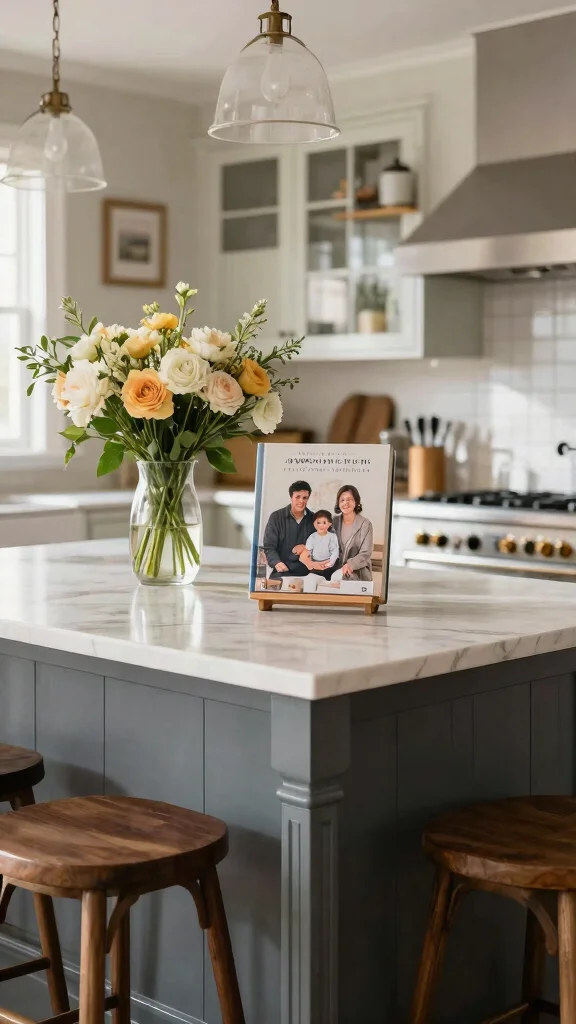
Finally, don’t overlook the importance of personal touches in your kitchen island design. Whether it’s a beautiful vase filled with seasonal flowers or a prominently displayed family cookbook, these elements add warmth and make your space truly feel like home. Incorporate items that reflect your unique style and history, turning your kitchen island into a representation of you.
Ways to Add Personal Touches:
– Use family heirlooms or handmade items to add uniqueness.
– Rotate decor based on the seasons to keep the space feeling fresh.
– Incorporate artwork or prints that resonate with your personal story.
Personalizing your kitchen island transforms it from a mere functional space into a cherished part of your home.
Conclusion
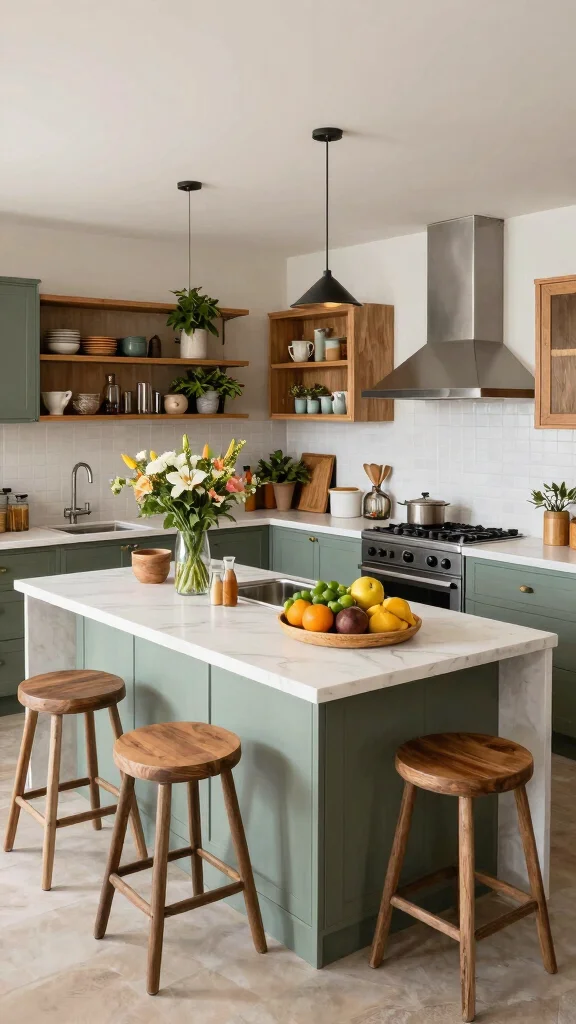
Designing a sustainable kitchen island is not just about aesthetics; it’s about embracing a thoughtful approach to living and cooking. These 20 ideas offer inspiration to create a beautiful, functional, and eco-friendly centerpiece for your kitchen.
By incorporating modern trends, sustainable materials, and personal touches, you can design an island that reflects your style and commitment to the environment. Let your kitchen be a place where creativity flourishes and sustainability shines!
Frequently Asked Questions
Question: What are the best kitchen island design ideas for sustainable and eco-friendly homes?
When planning kitchen island design ideas for sustainable and eco-friendly homes, start with materials and layout that minimize environmental impact.
Choose countertops like bamboo, recycled glass, or responsibly sourced stone with low-VOC finishes. Use reclaimed wood for cabinetry accents and LED lighting to save energy. For open concept spaces, place the island to define zones while keeping sightlines open. Add integrated waste/recycling stations and a pull-out trash bin to support composting and recycling. Finally, select durable finishes and low-maintenance surfaces to reduce replacements over time.
By focusing on sustainable design, you’ll enjoy long-lasting beauty and cleaner indoor air.
Question: How can I choose a modern kitchen island style that fits an open concept space?
When selecting kitchen island styles for an open concept, start by matching materials and color with your cabinetry and countertops. For modern kitchen islands, look for clean lines, integrated seating, and minimal hardware. Use pendant lighting to define zones without walls, and ensure 36- to 42-inch clearance around the island for easy movement. If you entertain often, consider a return or extended countertop to create a casual dining nook that enhances open concept kitchen design without visually cluttering the room.
Question: What sizes and shapes work best for different room layouts in contemporary home decor?
In contemporary home decor, the island shape should reflect the floor plan. A large rectangular island fits big kitchens with ample walkways; a curved or peninsula design can work well in smaller spaces. Aim for at least 36 inches of clearance on all sides, and 42 inches where multiple cooks or seating are planned. For open sightlines, choose a design that echoes your overall furniture style and kitchen island styles to maintain cohesion.
Question: Are there affordable and sustainable materials for kitchen island furniture that still look high-end?
Absolutely. Durable options like bamboo, cork, recycled metal, and concrete can look premium without breaking the bank when finished well. Use high-quality laminates with low-VOC finishes or salvaged wood accents to stay on budget while respecting kitchen furniture trends and kitchen island design ideas. Finish with water-based sealants and easy-to-clean surfaces for practicality.
Question: How can I optimize an island for open concept living and multi-use functionality?
Design the island as a social hub that saves space. Include ample storage with deep drawers, pull-out organizers, and a few open shelves for frequently used items. Add a hidden prep zone, a compact under-counter appliance, and a breakfast bar with seating. Layer lighting (ambient, task, and accent) to switch moods as you move between cooking, dining, or working in your open concept kitchen design. Finally, choose modern kitchen islands that offer multi-use functionality to boost contemporary home decor cohesion.
Related Topics
kitchen island design
modern kitchen islands
sustainable decor
open concept kitchens
eco-friendly design
contemporary style
kitchen furniture trends
minimalist kitchen
space-saving solutions
DIY kitchen ideas
budget-friendly remodel
functional design