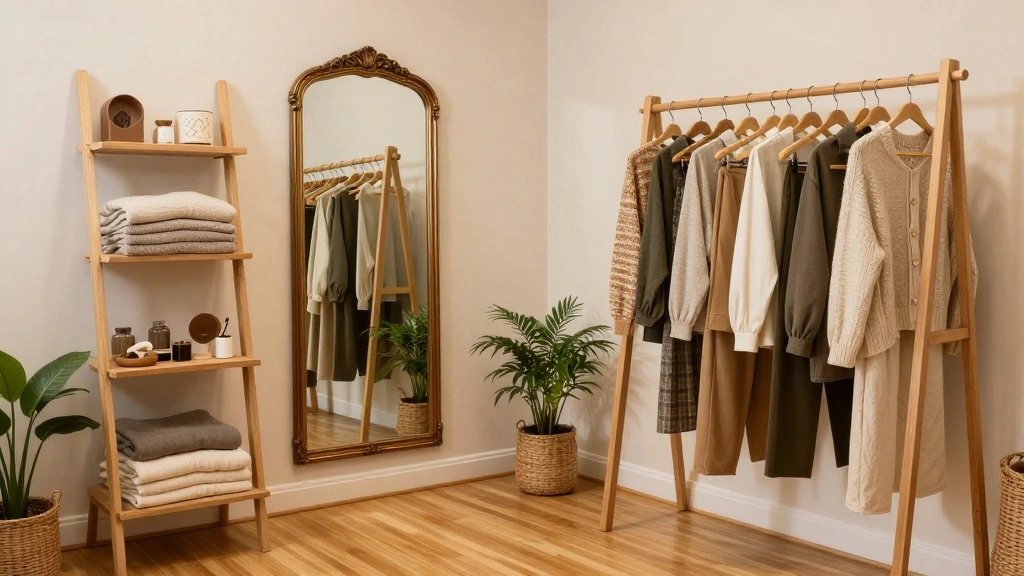
Creating a beautifully organized dressing room wardrobe is a dream for many. It’s not just about aesthetics; it’s about functionality and creating a space that reflects your personal style while keeping everything in order. If you’ve ever found yourself struggling to find that perfect outfit, or if your closet looks like a tornado just passed through, this post is for you. I’ve gathered 18 sustainable dressing room wardrobe design ideas that can transform your space into an organized haven.
Whether you’re a fashionista, a busy professional, or someone looking to make the most out of limited space, you will find valuable insights here. You deserve a dressing room that not only looks stylish but also makes your daily routines smoother. From innovative wardrobe storage solutions to trendy closet organization tips, this guide aims to inspire you to turn your dressing space into a well-organized masterpiece. Get ready to discover ideas that are eco-friendly, space-saving, and oh-so-chic!
By the end of this post, you’ll have a wealth of practical tips and stylish dressing room ideas. You’ll learn about modular wardrobe systems, customizable shelving, and even season storage solutions. Let’s dive in and make your dressing room a place where organization meets style!
Key Takeaways
– Discover how modular wardrobe systems can work for any space, offering flexibility and personalization in your design.
– Learn about using sustainable materials to create an eco-friendly dressing room without sacrificing style or functionality.
– Explore color coordination strategies to enhance the visual appeal of your wardrobe while making it easier to find items.
– Gain insight into efficient shoe storage options that maximize your space and keep your footwear organized.
– Get tips on utilizing vertical space and creative closet dividers to enhance organization and make the most out of your dressing room.
Contents
- 1. Modular Wardrobe Systems
- 2. Sustainable Materials
- 3. Color Coordination
- 4. Multi-Functional Furniture
- 5. Efficient Shoe Storage
- 6. Vertical Space Utilization
- 7. Customizable Shelving
- 8. Eco-Friendly Decor
- 9. Open Shelving for Display
- 10. Natural Lighting
- 11. Personalized Accessories Display
- 12. Seasonal Storage Solutions
- 13. Smart Closet Organization Tools
- 14. Creative Closet Dividers
- 15. Incorporating Plants
- 16. DIY Wardrobe Enhancements
- 17. Minimalist Approach
- 18. Layered Lighting


1. Modular Wardrobe Systems
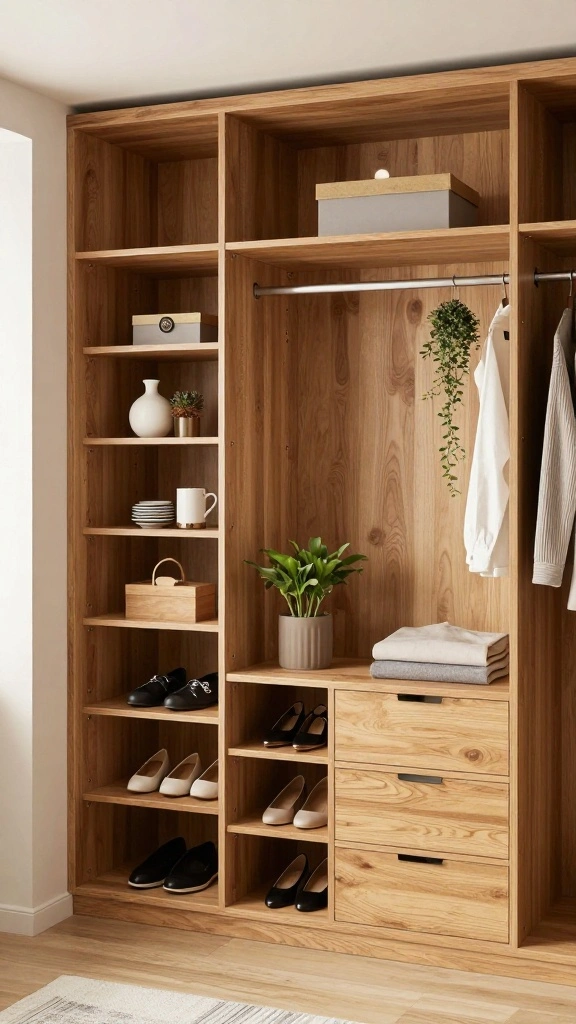
Modular wardrobe systems offer a flexible approach to organizing your clothes and accessories. Their customizable designs enable you to create a configuration that suits your unique needs, whether you have a spacious room or a cozy nook.
This design principle works wonders because it combines functionality with aesthetic appeal, allowing you to incorporate elements like hanging rods, shoe shelves, and drawer units. Imagine a wardrobe that transforms as your collection evolves, ensuring you never feel cramped or cluttered.
To get the most out of your modular wardrobe, consider:
– Pair open shelves with closed cabinets for balanced storage.
– Install tall units to draw the eye upward and utilize vertical space.
– Use adjustable baskets for smaller items to maintain order.
This style not only enhances your organization but also adapts to your lifestyle, creating a dynamic and lasting solution for your home.


2. Sustainable Materials
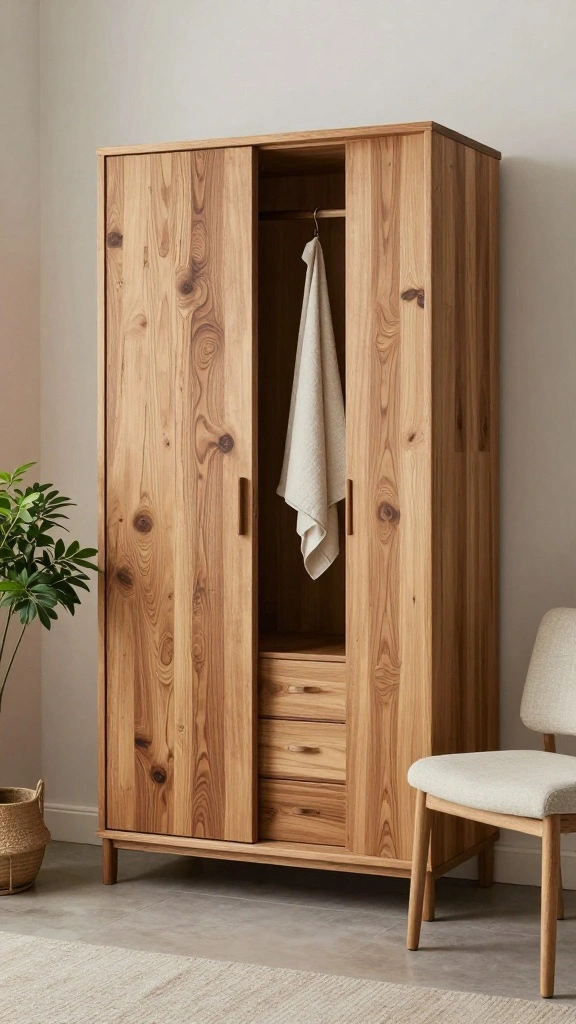
Incorporating sustainable materials into your dressing room wardrobe celebrates both style and environmental consciousness. Choosing options like reclaimed wood, bamboo, or recycled metals not only reduces waste but also adds a unique charm to your space.
These materials create a wonderful blend of durability and character, with reclaimed wood showcasing its history through beautiful imperfections. This approach not only feels good but also contributes to a healthier planet, aligning your home with eco-friendly practices.
When selecting sustainable materials, keep these tips in mind:
– Look for certifications that ensure responsible sourcing.
– Choose low-VOC finishes to improve air quality.
– Explore upholstery made from organic cotton or recycled fabrics for a cohesive look.
By thoughtfully choosing your materials, you not only enhance your dressing room’s aesthetics but also make a positive impact on the environment.


3. Color Coordination
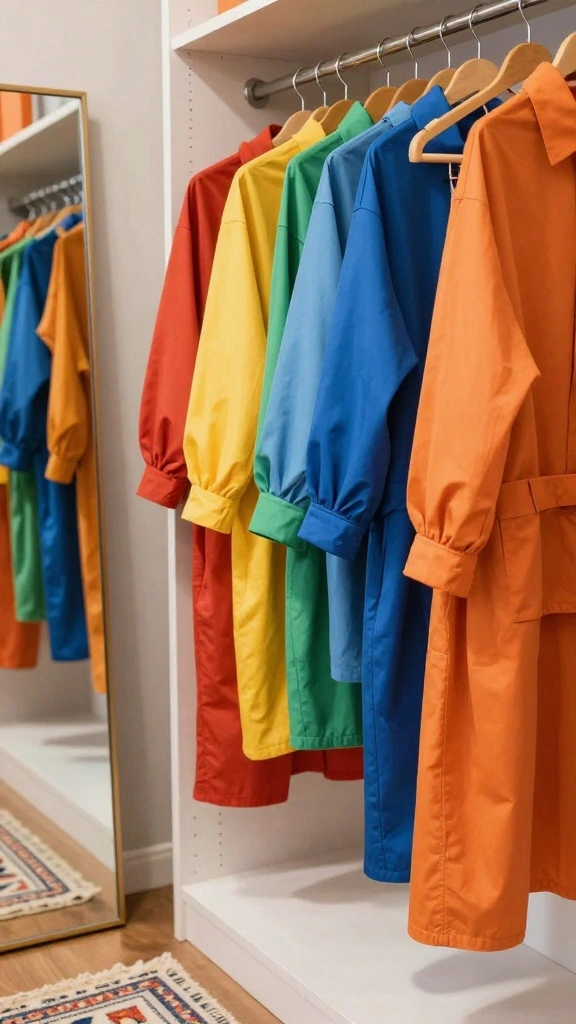
Color coordination in your wardrobe can transform the daily dressing experience into a joyful ritual. By organizing clothes by color, you create a visually appealing setup that streamlines outfit selection.
This method not only beautifies your dressing area but also lifts your spirits as you choose your attire, turning the mundane into something special. Imagine a rainbow of clothing that inspires you every morning, making it easier to get dressed.
To effectively implement color coordination:
– Use matching hangers for a uniform look.
– Arrange items in a gradient for a stunning ombre effect.
– Label sections subtly to simplify navigation.
This aesthetic strategy encourages mindful consumption, helping you curate your wardrobe based on what truly resonates with you.
4. Multi-Functional Furniture
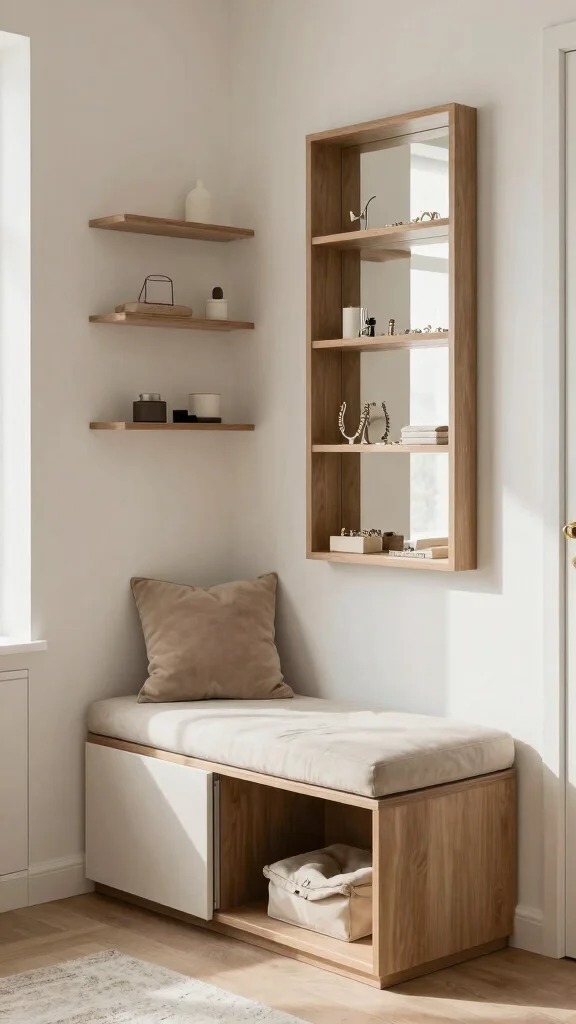
Multi-functional furniture is essential in a dressing room where space is limited. By selecting pieces that serve dual purposes, you maximize utility while maintaining an elegant and organized environment.
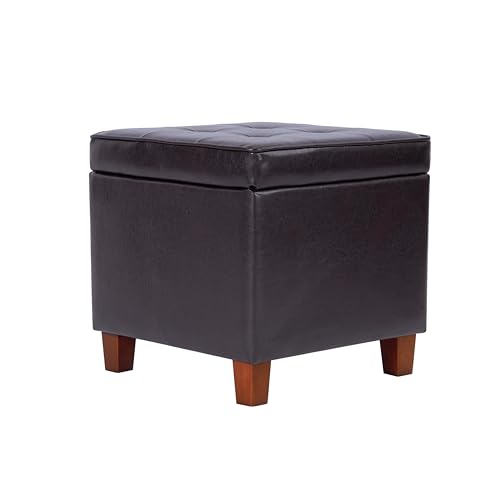
For instance, a bench with hidden storage can provide seating and a place for shoes, while an ottoman with compartments keeps accessories tidy and easily accessible. This thoughtful approach blends functionality with style, allowing your space to adapt to your needs.
Here are some clever multi-functional furniture ideas:
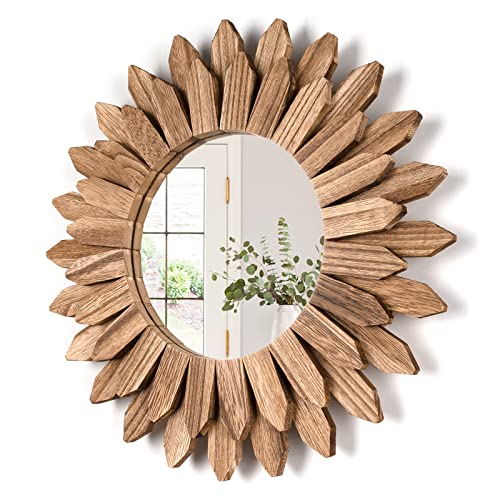
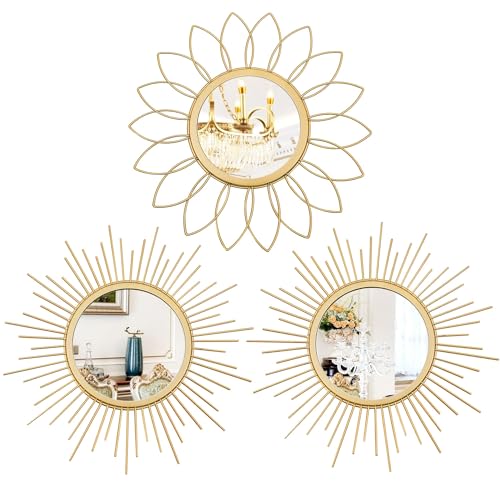
– A mirror with integrated shelves for jewelry.
– A foldable table that stows away effortlessly.
– Versatile clothing racks that also display your favorites.
Incorporating these elements creates a flexible atmosphere without sacrificing elegance or organization.



5. Efficient Shoe Storage
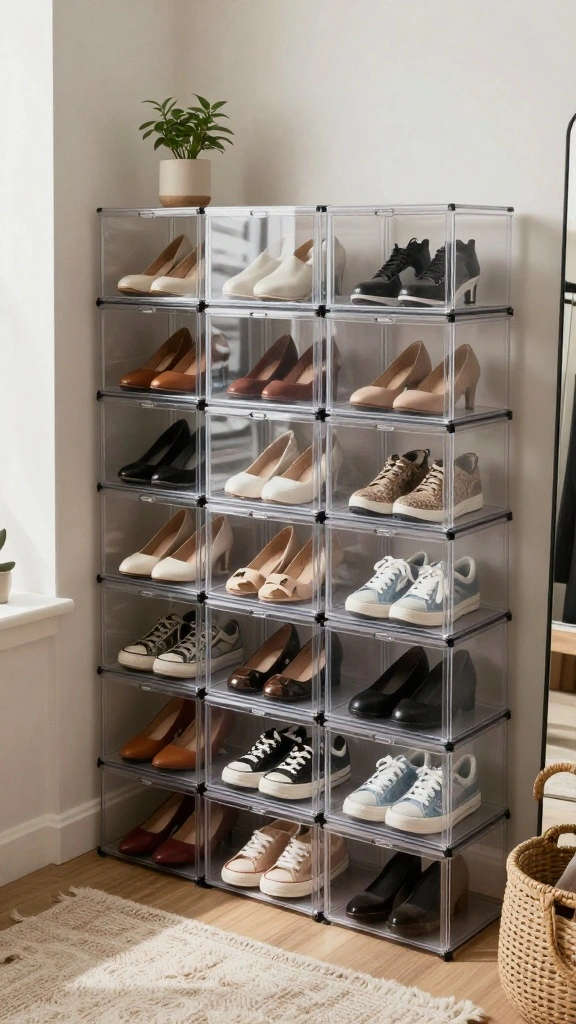
Proper shoe storage is crucial to prevent clutter and keep your dressing room organized. An efficient solution allows you to manage your footwear collection while ensuring each pair is protected and easily accessible.
Consider using vertical racks, under-bed bins, or dedicated shelving to showcase your favorite shoes. Investing in eco-friendly storage boxes made from recycled materials adds sophistication while keeping your shoes dust-free.
Enhance your shoe storage with these ideas:
– Organize by type or occasion for quick access.
– Use clear boxes to display and protect your favorites.
– Rotate seasonal shoes with a calendar system.
Efficient shoe storage not only conserves space but also simplifies outfit coordination, making your daily routine smoother.
6. Vertical Space Utilization
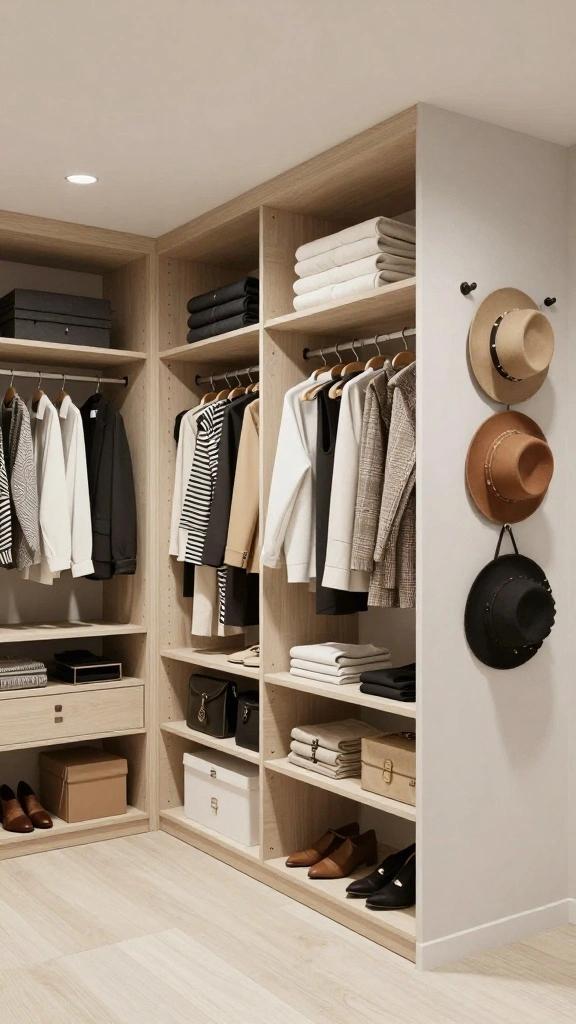
Maximizing vertical space is essential when designing a dressing room. High ceilings offer a fantastic opportunity to store items without creating floor clutter.
Incorporate tall shelving that reaches upwards, using the upper levels for seasonal items or less frequently used accessories. Hooks and pegboards can turn walls into functional decor, perfect for displaying hats, bags, or jewelry.
For effective vertical storage, consider:
– Stackable boxes that utilize height without sacrificing accessibility.
– Wall-mounted racks for bags or accessories.
– Hanging long garments high while keeping shorter items at eye level.
By effectively using vertical space, you maintain an organized dressing room that showcases your unique style.
How To Choose The Right Dressing Room Wardrobe Design
Choosing the right dressing room wardrobe design can feel overwhelming, but focusing on specific criteria can make the process easier. Here are some key points to consider when selecting your perfect wardrobe setup.
1. Space Availability
Begin with measuring your dressing room space. Take note of the dimensions, including height, width, and depth. This information is crucial for ensuring that your wardrobe fits well without overwhelming the room. You’ll want to leave room for doors to open and for easy movement around the space.
2. Material Selection
The choice of material can impact both style and durability. Opt for sustainable materials like bamboo or reclaimed wood for an eco-friendly touch. If you prefer a modern look, consider metal or glass. Each material has its pros and cons; for instance, wood provides warmth, while glass gives an airy feel.
3. Functionality Features
Think about how you use your wardrobe. Do you need more hanging space, or do you prefer shelves for folded clothes? Consider incorporating drawers for accessories and shoes. Look for innovative designs that include multi-functional elements, like mirrors or built-in lighting, to enhance usability and style.
4. Style and Aesthetic
Your wardrobe should complement your decor style. Whether you lean towards minimalist, rustic, or contemporary themes, choose a design that aligns with your vision. Use color coordination to create a harmonious look. Lighter colors can make a room feel larger, while darker tones add drama.
5. Budget Considerations
Define your budget early in the process. Wardrobe options can range widely in price depending on material, design, and features. Set a realistic budget to narrow down your choices effectively, and remember to account for installation costs if you’re hiring a professional.
6. Sustainability Practices
As you explore wardrobe options, consider eco-friendly practices. Look for brands that utilize sustainable materials and ethical manufacturing processes. This not only contributes to a healthier planet but also adds value to your home. Pay attention to certifications that indicate responsible sourcing.
Pro Tip: Visualize your wardrobe design with sketches or mood boards. This practice can help you clarify your preferences and make informed decisions. Don’t rush; take your time to explore different styles and configurations to find a solution that truly fits your needs.
In summary, selecting the right dressing room wardrobe design requires careful consideration of space, materials, functionality, style, budget, and sustainability. By focusing on these key factors, you can create a wardrobe that is not only organized but also reflects your personality and enhances your home.
7. Customizable Shelving
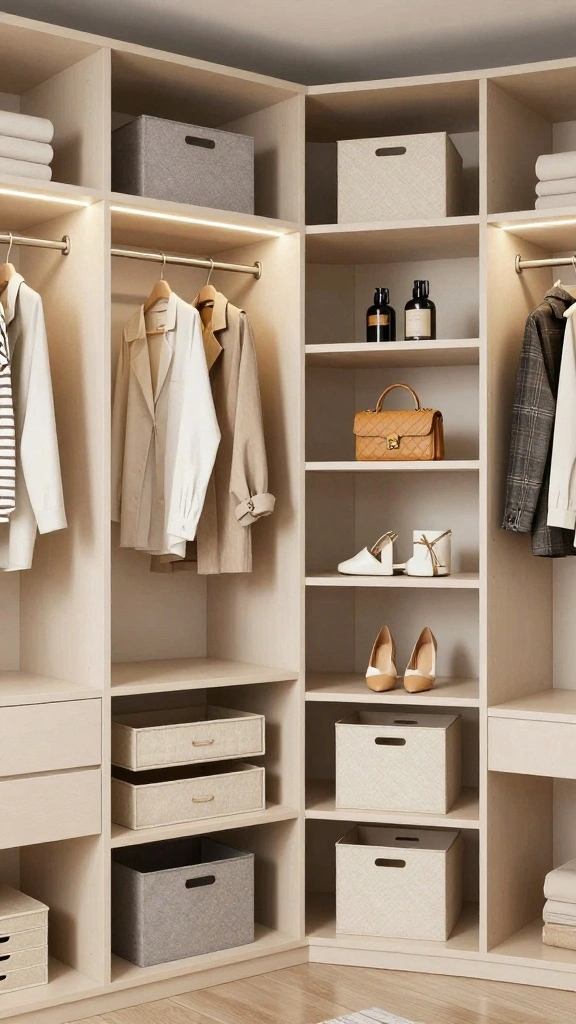
Customizable shelving elevates your dressing room wardrobe design, allowing you to adapt the layout to your needs. With adjustable shelves, you can create spaces for shoes, bags, or folded garments, optimizing functionality.
This flexibility is particularly beneficial for sustainable living, as it allows your wardrobe system to grow and change with your collection. Embrace the adaptability of your space to enhance both organization and aesthetics.
Consider:
– Modular shelving systems that can be easily rearranged.
– Bins or baskets for smaller items to promote tidiness.
– LED lighting within shelves to improve visibility and style.
With customizable shelving, every item finds its home, resulting in a beautiful and efficient dressing room.


8. Eco-Friendly Decor
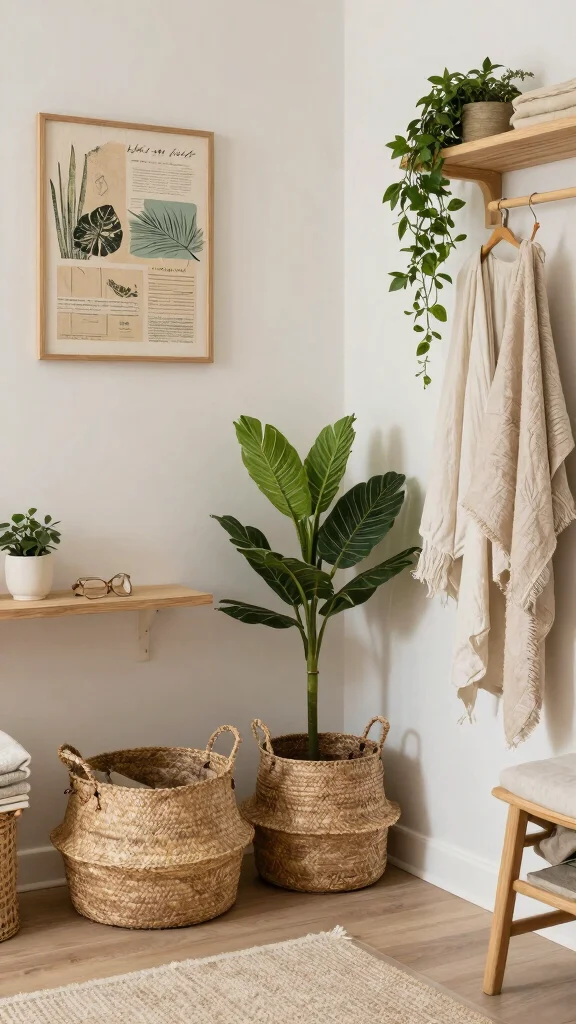
Selecting eco-friendly decor significantly enhances your dressing room’s ambiance while promoting sustainable practices. Utilizing decor made from reclaimed materials or handmade by local artisans can elevate your space visually and ethically.
Elements like natural wood or stone not only create a calming backdrop but also add depth to your wardrobe. This thoughtful design choice aligns perfectly with a commitment to sustainability.
Here are some eco-friendly decor ideas:
– Upcycled furniture pieces that tell a unique story.
– Seagrass baskets for stylish and sustainable storage.
– Reusable fabric wall hangings to enhance visual interest.
Incorporating these eco-conscious decor choices creates a harmonious and inviting dressing room that reflects your values.
You might also like
9. Open Shelving for Display
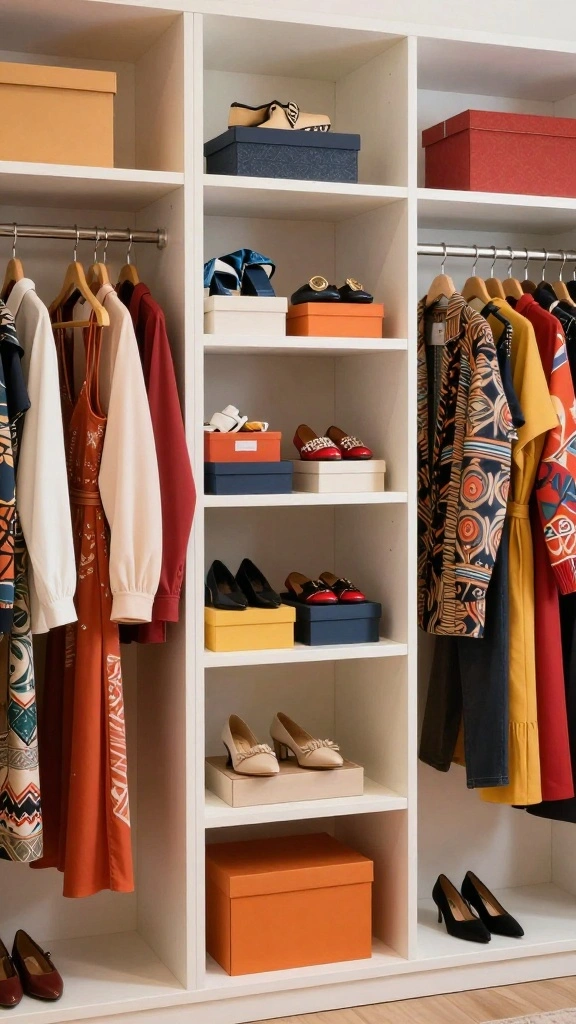
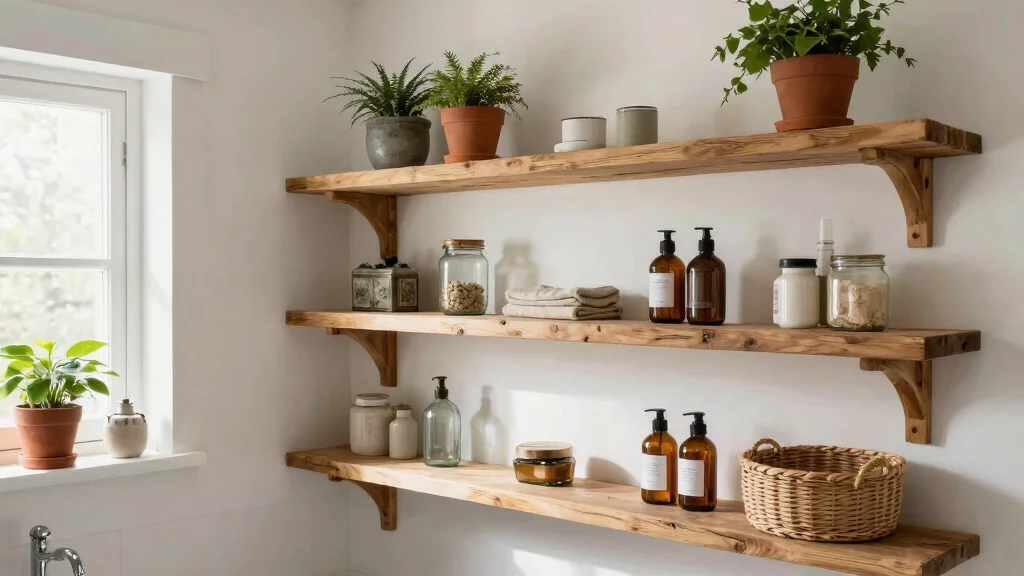
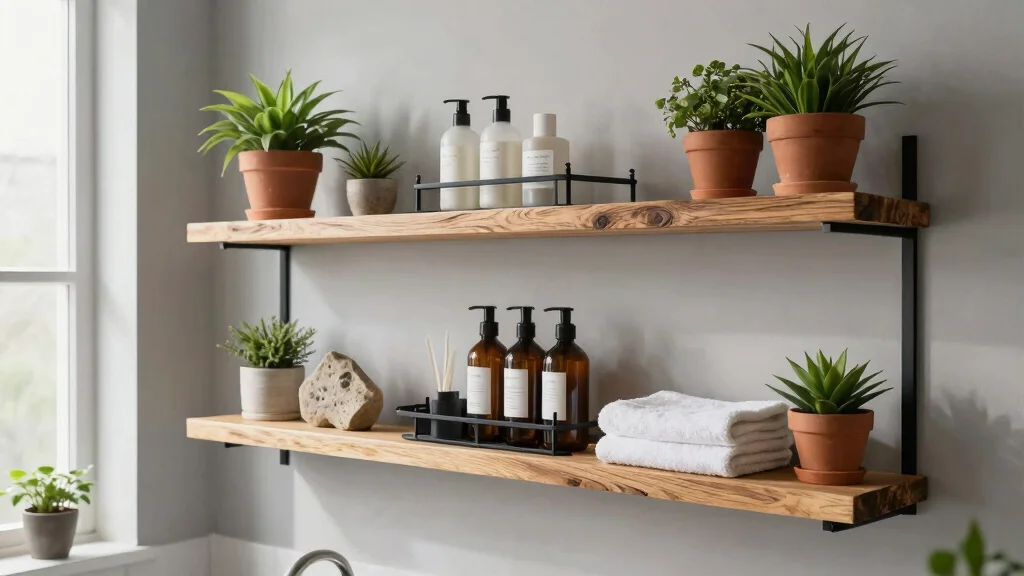
Open shelving provides an excellent opportunity to showcase your favorite clothing and accessories while keeping everything organized. By displaying items, you create a visually stimulating gallery that represents your personal style.
This design encourages you to curate your wardrobe intentionally, making it easy to find what you love without digging through clutter. Imagine a space where your favorite pieces are always on display and ready to inspire.
To maximize the benefits of open shelving:
– Rotate items regularly to reflect seasonal changes.
– Use decorative trays for smaller accessories to maintain order.
– Integrate lighting to highlight special pieces and enhance visual appeal.
With open shelving, your dressing room becomes a creative environment that inspires your daily attire choices.
10. Natural Lighting
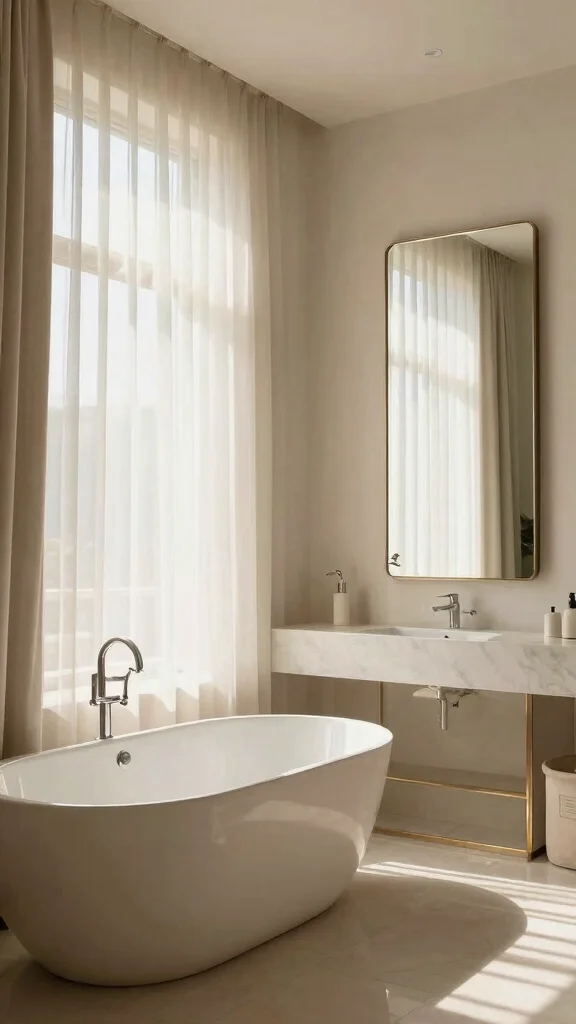
Incorporating natural lighting into your dressing room enhances both its functionality and atmosphere. Natural light beautifully illuminates your wardrobe, creating an uplifting mood as you prepare for your day.
Large windows or mirrors strategically placed can amplify sunlight, making your space feel airy and open. If natural light is limited, consider light-colored paint or reflective surfaces to brighten the room.
To optimize natural lighting:
– Position mirrors opposite windows to maximize light reflection.
– Use sheer curtains to allow diffused light while maintaining privacy.
– Keep the area clutter-free to enhance brightness and openness.
With natural lighting, your dressing room becomes a serene haven for getting ready.
Fun fact: natural light can boost mood and productivity by up to 20% in your dressing room wardrobe design. Place a mirror opposite a window to double the perceived brightness, and choose light colors to keep the space airy and inviting.
11. Personalized Accessories Display
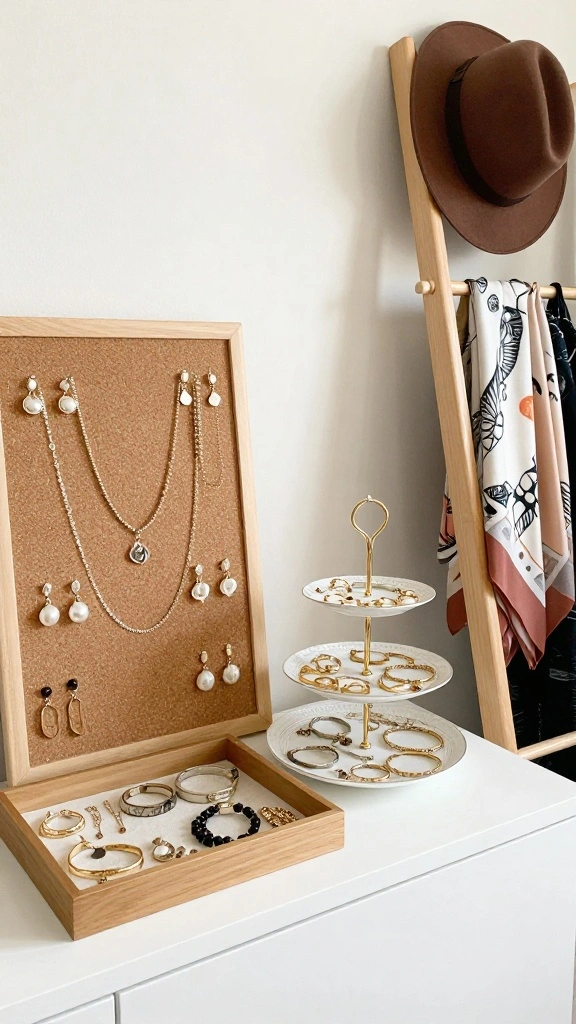
Creating a personalized accessories display allows you to showcase your favorite items while keeping them organized. Style is about functionality and self-expression, and displaying your accessories adds a personal touch to your space.
Dedicate a section of your wardrobe for jewelry, bags, or hats, using decorative trays and hooks to keep everything accessible yet beautifully arranged. This not only simplifies your routine but also transforms your dressing area into an inviting space.
Consider these ideas for your accessories display:
– Incorporate a corkboard for easy access to earrings and necklaces.
– Use a tiered stand for rings and bracelets to add height and visual interest.
– Hang a decorative ladder for scarves and hats, blending style and function.
This personal touch makes dressing a delightful experience while showcasing your unique style.
12. Seasonal Storage Solutions
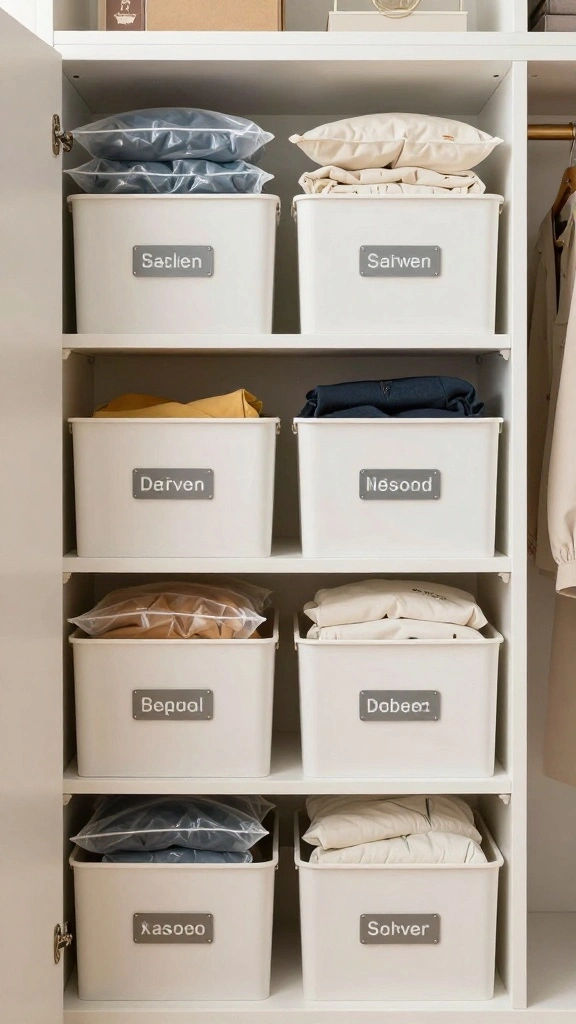
Implementing seasonal storage solutions significantly enhances the organization and efficiency of your dressing room. Storing off-season items frees up valuable space and keeps your favorites accessible.
Utilize vacuum-sealed bags for winter clothing and under-bed storage for summer pieces, labeling bins to easily identify seasonal items. This proactive approach simplifies your wardrobe transitions throughout the year.
Here’s how to manage seasonal storage effectively:
– Keep dedicated bins for each season for smooth transitions.
– Use clear containers for quick visibility of contents.
– Regularly assess your wardrobe to donate or recycle items you no longer wear.
With seasonal storage, your dressing room remains organized and ready for every season.
Did you know that proper seasonal storage can reclaim up to 30% of your dressing room wardrobe design space? Storing off-season items in labeled bins and vacuum-sealed bags keeps today’s outfits accessible, and makes yearly wardrobe transitions calm, simple, and efficient.
13. Smart Closet Organization Tools

Smart closet organization tools can enhance your dressing room experience by streamlining how you interact with your wardrobe. From app-controlled lighting to automated hangers, technology can make getting dressed more enjoyable.
Tools like built-in lighting systems and wardrobe management apps help you track what you own, promoting sustainable usage of your clothes. This tech-savvy approach elevates both functionality and style in your dressing space.
Consider these innovative solutions:
– Smart mirrors that suggest outfits based on occasion.
– Closet management apps that catalog your wardrobe for easy access.
– Automated hangers that adjust for garment types, preventing damage.
By integrating smart tools, you simplify your dressing process while embracing modern design in your space.
14. Creative Closet Dividers
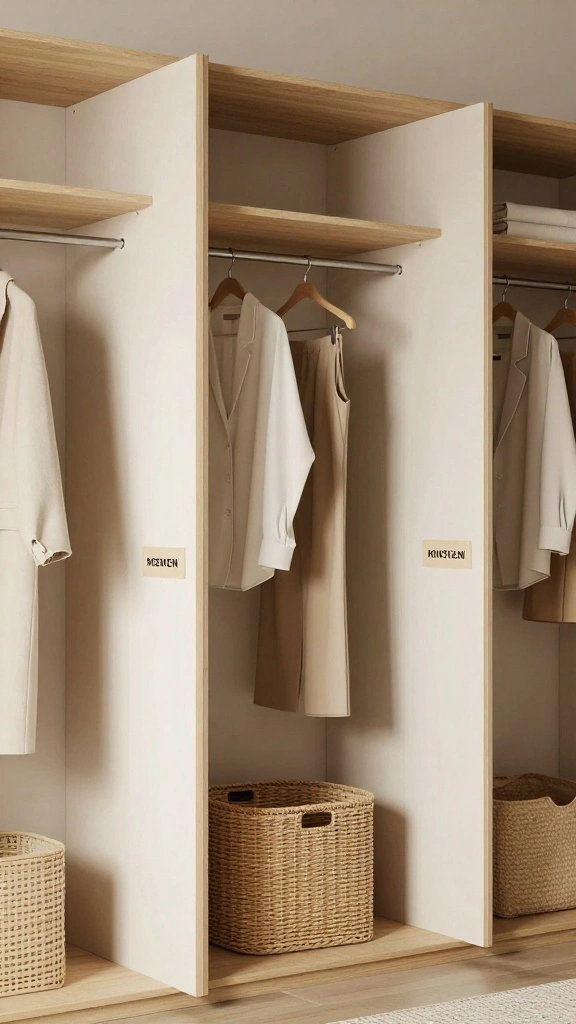
Creative closet dividers can significantly enhance organization within your dressing room. By categorizing different clothing types, you simplify finding what you need while ensuring everything has its designated space.
Whether using traditional dividers, fabric panels, or color-coded bins, this method promotes easy identification and access. Your wardrobe becomes a well-ordered haven, making dressing more enjoyable.
Here are some ideas:
– Use fabric or wood dividers labeled for easy identification.
– Create sections for casual, formal, and seasonal garments.
– Incorporate unique containers like woven baskets for added aesthetic appeal.
Creative closet dividers enhance both the visual harmony and practicality of your dressing room.
❝ Creative closet dividers make mornings simpler—and your dressing room wardrobe design finally feels calm. When every item has a home, you grab what you need in seconds and actually enjoy getting dressed. ❞
15. Incorporating Plants
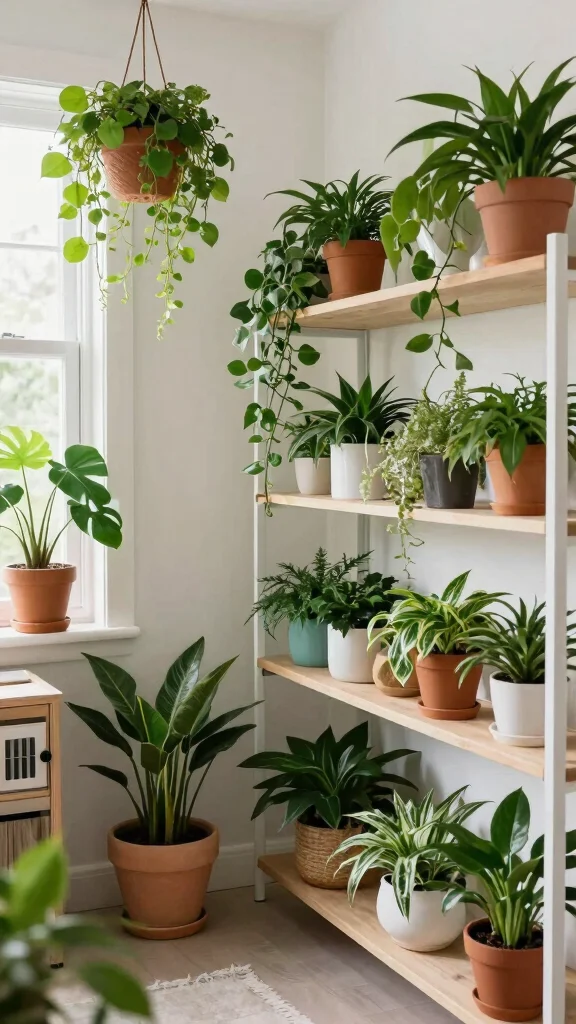
Incorporating plants into your dressing room design adds beauty and promotes a sense of well-being. Plants not only purify the air but also create a calming atmosphere that enhances your space.
Choose low-maintenance options like succulents or snake plants that thrive indoors, bringing life to your wardrobe without excessive care. Strategically placing greenery on shelves or hanging it can refresh your environment while keeping it organized.
To integrate plants:
– Select pots that match your decor style, from rustic to modern.
– Arrange plants at varying heights for visual interest.
– Ensure adequate sunlight or choose low-light varieties if needed.
By adding plants, you create a vibrant and uplifting atmosphere in your dressing room.
16. DIY Wardrobe Enhancements
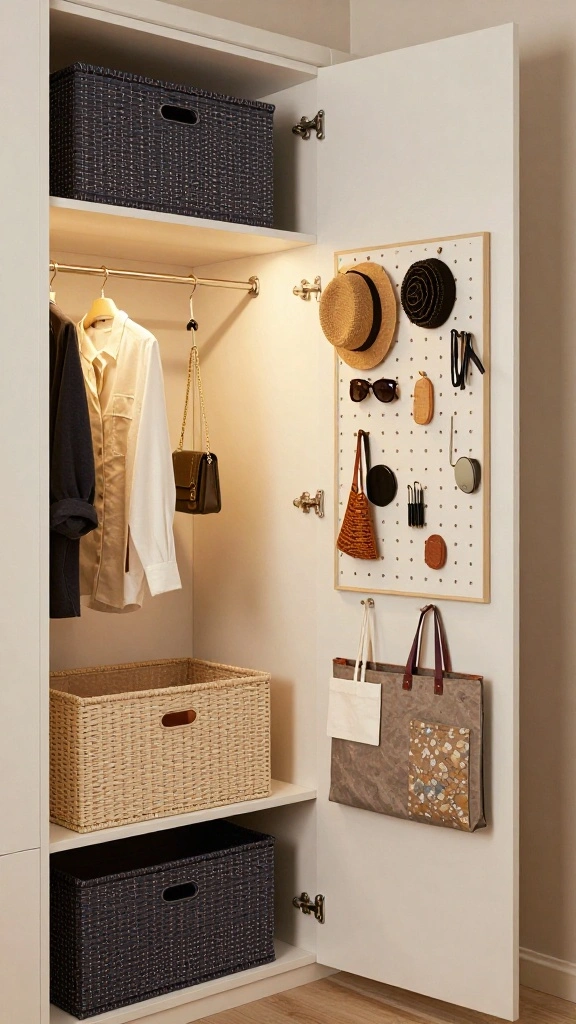
DIY wardrobe enhancements let you personalize your dressing room while keeping costs low. With creativity, you can craft unique storage solutions that perfectly match your style.
Consider making drawer dividers from recycled materials or creating an accent wall with removable wallpaper. Simple touches like adding hooks for bags or decorative knobs can elevate both functionality and aesthetics.
Ideas for DIY projects:
– Create custom storage boxes from old shoe boxes or fabric.
– Design a pegboard for hanging accessories tailored to your needs.
– Paint or refinish furniture to reflect your personal style.
With DIY enhancements, you can express your creativity while ensuring your dressing room stays organized.
17. Minimalist Approach
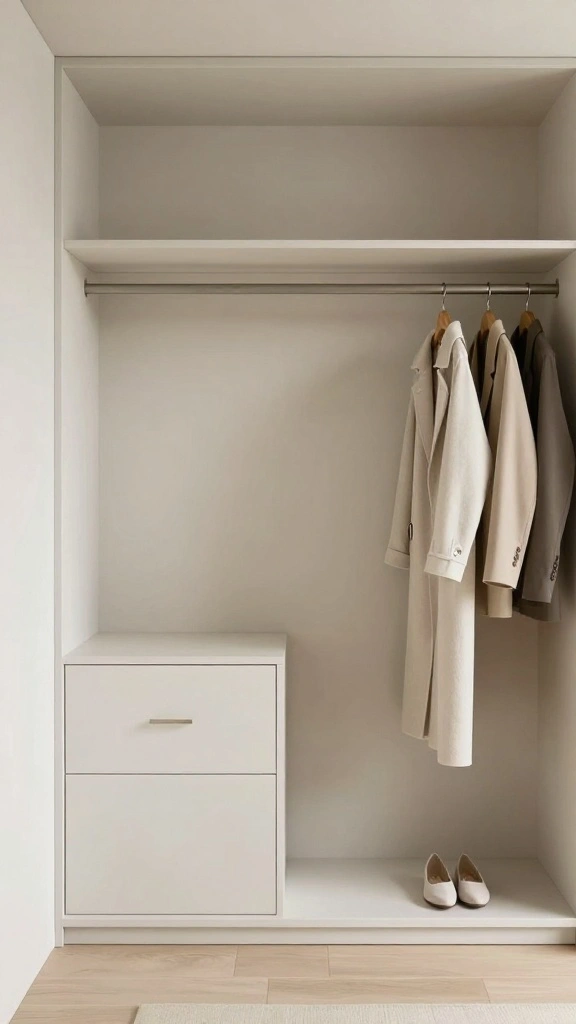
Embracing a minimalist approach in your dressing room wardrobe design can greatly enhance organization and clarity. By prioritizing quality over quantity, you create a serene space that encourages simplicity and ease of use.
Minimalism invites you to curate your belongings, keeping only what you truly love and utilize. This philosophy emphasizes functional storage, ensuring your space remains uncluttered and inviting.
To embrace minimalism:
– Create a capsule wardrobe for a streamlined selection.
– Limit decor to impactful pieces that resonate with you.
– Use neutral colors for a calming aesthetic.
A minimalist dressing room fosters tranquility, making the process of getting ready a more enjoyable and efficient experience.
18. Layered Lighting
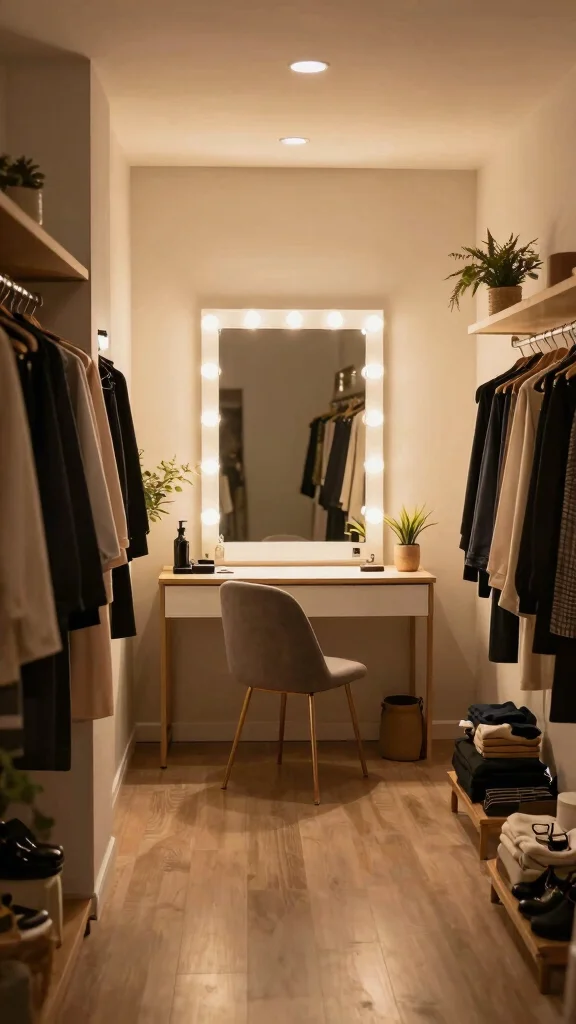
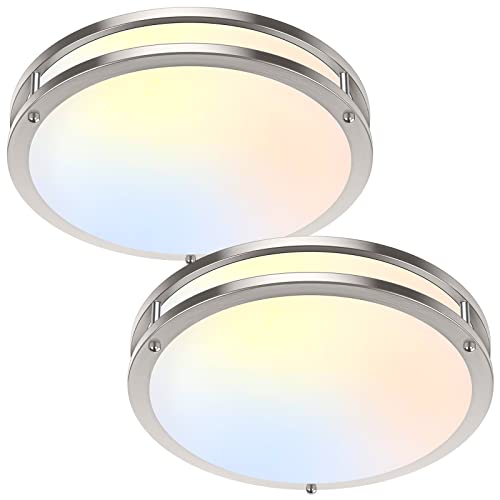
Layered lighting can transform your dressing room into a versatile space that enhances both function and style. Combining ambient, task, and accent lighting creates the perfect atmosphere for getting dressed.
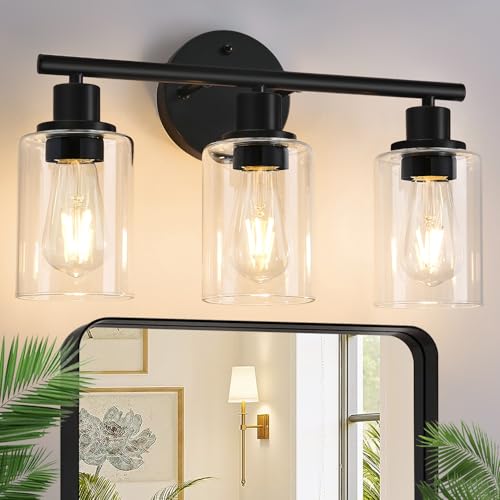
Start with ambient lighting for overall illumination, then add task lights around mirrors for focused brightness. Incorporate accent lighting to highlight special decor or features, such as open shelving.
Consider these lighting tips:
– Use dimmers to adjust brightness based on your needs.
– Opt for LED fixtures to enhance energy efficiency.
– Layer light sources to create depth and interest throughout the room.
With layered lighting, your dressing room evolves into a dynamic space that meets your practical needs while enhancing its beauty.
Conclusion
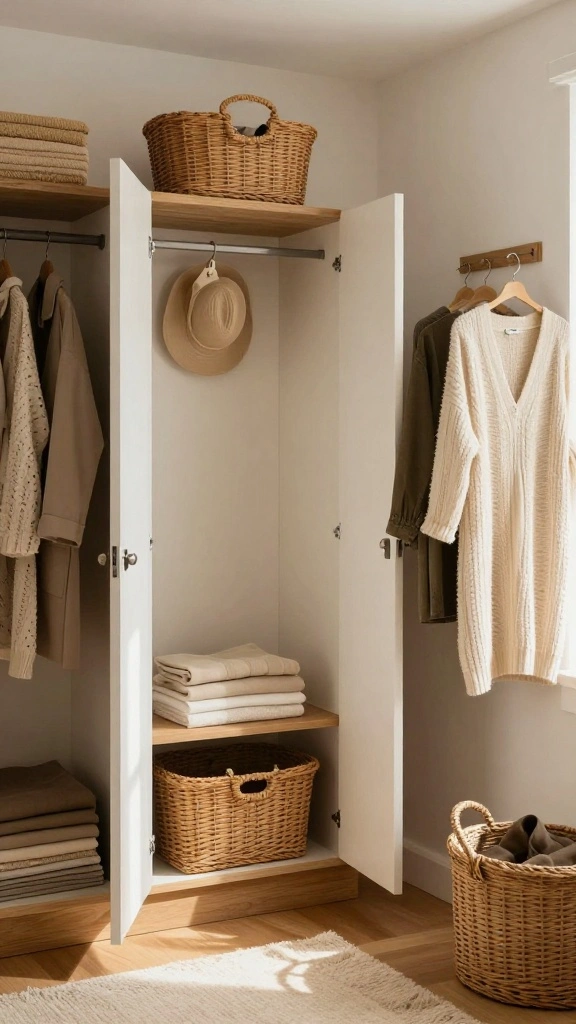
Embracing innovative dressing room wardrobe design ideas can lead to a space that is organized, stylish, and sustainable. From modular systems to personalized displays, each solution can make your dressing room a reflection of you while maintaining function.
By integrating these concepts, you won’t just enhance your wardrobe but also contribute to a more sustainable lifestyle. Which ideas resonate most with you? Let’s create a space that inspires and organizes, bringing harmony into your daily routine!
Frequently Asked Questions
What are the most effective strategies for a sustainable dressing room wardrobe design?
For a sustainable dressing room wardrobe design, start with environmentally friendly materials like bamboo or FSC-certified plywood, and choose finishes with low VOCs. Opt for modular, repairable components that can be reconfigured instead of replaced. Add energy-efficient LED lighting and durable hardware made to last. Plan for easy access and future upgrades so you don’t create waste. Practical steps: design a layout that maximizes flow and natural light; choose modular units with adjustable shelves and compatible doors; select hardware that’s durable and recyclable; source materials from certified suppliers; include hidden recycling or donation stations for wardrobe drops. This approach balances aesthetics with home organization trends toward sustainability.
How can I maximize space with wardrobe storage solutions in a small dressing room?
In a small dressing room, go vertical first: tall cabinets that reach the ceiling, with adjustable shelves. Use double-hanging rods to double your hanging space, plus pull-out baskets and slim shoe racks to keep footwear organized. Add door-mounted organizers for accessories and use uniform, slim hangers to reduce bulk. Clear bins or acrylic boxes help you see items at a glance. Lighting and a well-placed mirror visually expand the room. With modular components, you can reconfigure as needs change. These wardrobe storage solutions help you maximize space, embracing a space-saving wardrobe designs mindset.
What closet organization tips help create stylish dressing room ideas that stay organized?
Start with decluttering, then group items by category and color-code for quick access. Use matching hangers for a clean line and add labeled bins or drawers for smaller pieces. Install accessible shelves for daily wear and place a full-length mirror to enhance the space. Add lighting to zone different areas and keep frequently used items within easy reach. These closet organization tips translate into stylish dressing room ideas that stay organized and chic.
Which space-saving wardrobe designs work best for busy homes and align with current home organization trends?
Think wall-mounted and modular systems, sliding or pocket doors, under-bench storage, and built-in seating with hidden compartments. Choose neutral palettes with bold hardware to keep the look timeless, and opt for durable, sustainable materials. This approach aligns with home organization trends and delivers space-saving wardrobe designs that adapt to busy routines without sacrificing style.
How do I balance sustainability with aesthetics in dressing room wardrobe design?
Choose premium-looking sustainable materials like bamboo or reclaimed wood, and pair warm wood tones with matte metal hardware. Use durable, repairable components and mix textures to create visual interest while staying eco-friendly. Upcycle or refresh existing pieces where possible to reduce waste, and keep storage organized to extend their lifespan. You can have dressing room wardrobe design that is both beautiful and sustainable.
Related Topics
dressing room wardrobe design
wardrobe storage solutions
closet organization tips
sustainable design
space-saving wardrobe
minimalist style
stylish dressing rooms
home organization trends
beginner friendly
DIY wardrobe
functional design
trendy home decor